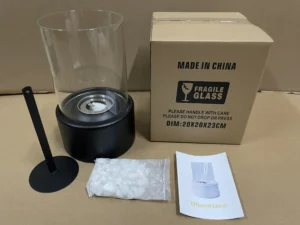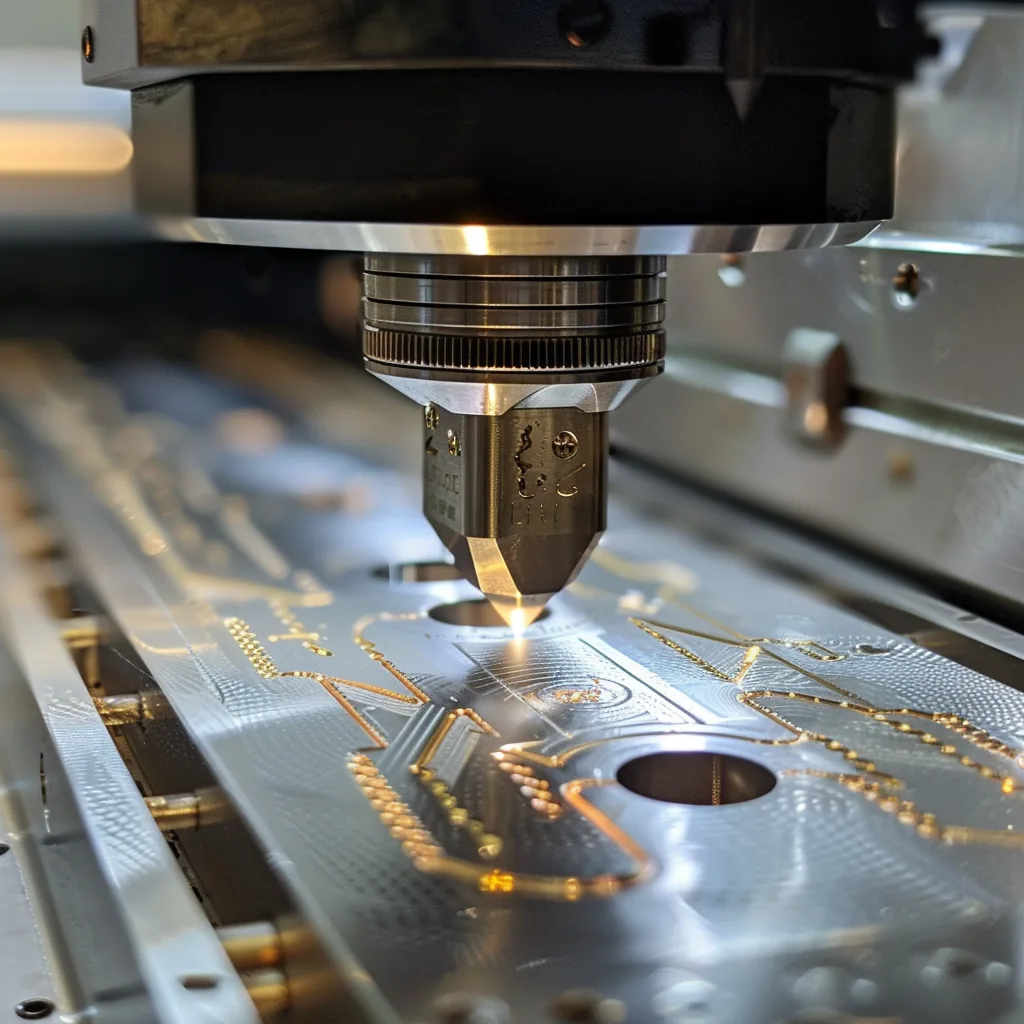
An ethanol fireplace pre tooling compliance review is the approval gate that should happen before a buyer pays for a custom mold, freezes private-label artwork, or treats a sample drawing as production-ready. For a tabletop ethanol fireplace, tooling is not only a shape decision. It can lock the burner opening, fuel-box relationship, glass height, base footprint, refill access, warning-label position, manual assumptions, packaging inserts, and inspection method into a physical product that later becomes expensive to correct.
This guide is written for EU importers, distributors, wholesalers, retailers, private-label brands, product managers, sourcing teams, compliance managers, and purchasing teams preparing a custom tabletop ethanol fireplace project. It is not legal advice, and it does not replace accredited testing or market-specific review. It gives commercial and technical buyers a practical way to decide whether a concept is mature enough to move from quotation and rendering into sample tooling, mold opening, carton artwork, and production planning.
Quick Answer
Before opening tooling for a custom tabletop ethanol fireplace, confirm that the exact concept has a documented product scope, burner and fuel system definition, stable base and glass arrangement, controlled drawings, preliminary bill of materials, label and warning plan, user-manual outline, packaging concept, sample-test plan, inspection criteria, and change-control process. A pre-tooling review should connect the product design to the intended compliance route, including EN 16647-1:2025 planning where relevant, without treating a past certificate or generic test report as proof for the new mold. If the buyer, supplier, and test partner cannot explain how the design will be identified, tested, labeled, packed, inspected, and controlled after changes, the project is not ready for mold approval.
Why Compliance Review Belongs Before Tooling
Many fireplace projects begin with an attractive reference photo, a sketch, a hotel mood board, or a retail buyer’s preferred size. The commercial conversation then moves quickly into unit price, sample cost, tooling cost, MOQ, delivery time, logo placement, and carton quantity. That sequence feels efficient, but it can hide a larger problem: the design may not yet be defined well enough for compliance, testing, or repeatable production.
A tabletop ethanol fireplace is a live-flame consumer product. Small changes can affect how the product is used and reviewed. Moving a glass panel, changing the burner opening, shortening the base, altering the fuel-container access, changing the warning location, or switching materials after sample approval may create a different review question. When tooling is already opened, the buyer has fewer economical choices. The project becomes a negotiation about rework instead of a calm design decision.
For EU-facing projects, the pre-tooling discussion should sit inside the wider compliance path. Buyers can use HND’s ethanol fireplace compliance before sampling article to understand why early requirement alignment matters, then use this guide as the project gate before a custom mold is approved. The sequence is simple: define the market, define the product, review the design, plan testing and documents, then release tooling.
The goal is not to slow the buyer down. It is to avoid spending money on a custom design that later needs avoidable changes to labels, manuals, glass, burner fit, stability, packaging, or quality-control criteria. A disciplined pre-tooling review can reduce redesign arguments and make the final sample easier to approve.
Start With Product Scope and Sales Route
The first question is not, “Can this be molded?” It is, “What exactly are we making, and where will it be sold?” A product concept for a promotional gift buyer, a hospitality procurement team, an online retail brand, and a furniture-store distributor may look similar in a rendering but require different documentation discipline. The importer should tell the supplier the intended market, sales channel, buyer label, language coverage, packaging route, and expected consumer-use context before tooling approval.
Public information from the European Commission describes the General Product Safety Regulation as applying to consumer products from 13 December 2024, with broader coverage, stronger risk-assessment expectations, and increased accountability for economic operators. For an importer, that means a custom ethanol fireplace should not be treated as a decorative object alone. The project file should show how the buyer considered foreseeable use, warnings, traceability, documentation, and market responsibility.
Standards listings for EN 16647-1:2025 describe the standard as applying to alcohol-powered flueless decorative fireplaces for private households. That scope is important because a tabletop ethanol fireplace needs to be reviewed as a product category, not just as a metal, glass, and packaging order. The buyer should ask whether the proposed model is manually operated, how fuel is handled, whether the intended use is domestic decoration, and whether any custom feature changes the review path.
If the buyer is still comparing product categories, HND’s tabletop ethanol fireplace safety guide provides useful context on live-flame buyer concerns. If the project is already in BOFU supplier selection, the buyer should move from general safety education to a model-specific design checklist.
The Pre-Tooling Review Table
A good review turns a concept into controlled approval evidence. The table below gives sourcing and compliance teams a practical structure before paying for tooling or signing off a custom sample route.
| Review area | What to confirm before tooling | Why it matters after mold opening |
|---|---|---|
| Product identity | Model name, model code, dimensions, version, intended use, sales market, and private-label owner. | Every drawing, test plan, label, manual, and inspection record needs the same identity trail. |
| Burner and fuel system | Burner size, fuel capacity concept, refill access, extinguishing approach, and fuel wording. | Fuel handling is central to user safety and cannot be cleaned up only with late manual edits. |
| Base, footprint, and stability | Base geometry, contact surface, weight target, center of gravity, and accessory placement. | Changing footprint or weight after tooling may require expensive structural redesign. |
| Glass or guard configuration | Glass height, thickness, fixing method, edge treatment, spacing, and replacement logic. | Glass affects flame exposure, handling, packaging, and after-sales replacement planning. |
| Materials and finish | Body material, coating, glass, burner material, adhesives, pads, screws, and surface finish. | Material substitution can change durability, heat behavior, appearance, and inspection criteria. |
| Label and warning placement | Permanent label position, warning-label size, product markings, importer details, and language plan. | Tooling, surface texture, and carton layout can limit where warnings can be placed clearly. |
| User manual | Placement, filling, ignition, extinguishing, cooling, refilling, storage, cleaning, and disposal guidance. | A beautiful product can still fail buyer review if the manual does not match the actual design. |
| Packaging | Inner protection, glass protection, accessory position, manual location, retail carton artwork, and drop-risk assumptions. | Packaging is part of product delivery; late changes can affect carton size, cost, and launch timing. |
| Sample and test plan | Which sample version will be tested, what will be inspected, and what changes require retesting or review. | Testing is weak if the tested sample is not the product that enters mass production. |
| Production control | Incoming parts, assembly checks, final inspection, batch coding, photo records, and nonconforming-product handling. | The buyer needs repeatability, not only one good pre-production sample. |
Review the Burner Before Reviewing the Outer Shape
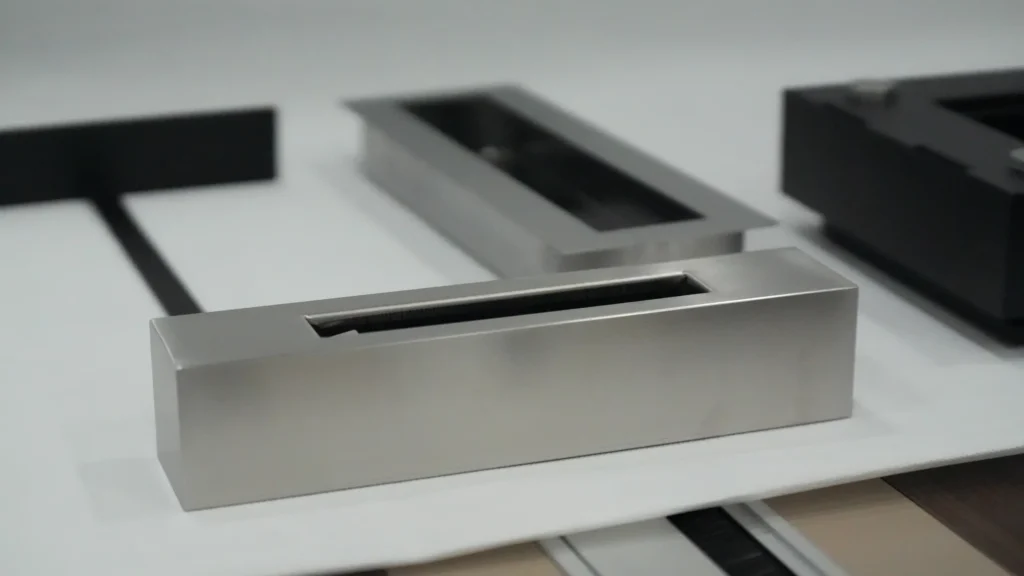
The outer shape sells the product, but the burner and fuel-handling concept often decide whether the project is ready. Buyers should ask the supplier to identify the burner type, planned fuel wording, capacity concept, refill access, extinguishing method, and cleaning instructions before the exterior mold is treated as final. If the burner is still a placeholder in the drawing, the review is too early for tooling approval.
This is especially important for private-label projects. A buyer may want a slim square base, a taller glass shield, a hidden burner, or a more giftable shape. Those preferences can be reasonable, but they need to be checked against practical use. Can the consumer see how to fill the fireplace? Is the filling area accessible without awkward handling? Does the manual explain cooling and refilling clearly? Can the warning label sit where users will notice it? Does the product still look stable when accessories and packaging realities are included?
HND’s EN 16647-1:2025 testing requirements guide is useful here because it reminds buyers that testing is not a decoration added after design. Testing and design should talk to each other. The pre-tooling review should identify which product features are critical and which changes would require renewed review before shipment.
Do Not Freeze Glass, Label, and Manual Separately
Glass, label, and manual decisions are often handled by different people. The product manager may approve the glass height, the designer may approve the carton, the supplier may draft the warning label, and the compliance person may receive the manual near the end. That fragmented workflow is risky. These items describe the same product to different audiences, so they should be reviewed together.
For example, if the manual says to keep the unit on a stable, level, heat-resistant surface, the product design and packaging photographs should not imply casual placement on a narrow decorative tray. If the label warns against refilling while hot, the manual should explain cooling and refilling in practical language. If a glass panel is removable for cleaning, the manual should show correct handling and the packaging should protect replacement parts. If the private-label carton makes strong lifestyle claims, the supplier should check whether those claims create use assumptions that the product design does not support.
Before tooling, the buyer should request a draft label map and manual outline, not just a final PDF after mass production starts. HND’s article on EN 16647 labelling and user manual requirements can help teams understand why warnings and instructions belong in the early project file. Even when exact wording is finalized later, the available space, placement, languages, and product references should be planned before the mold is fixed.
Control the Drawings and Bill of Materials
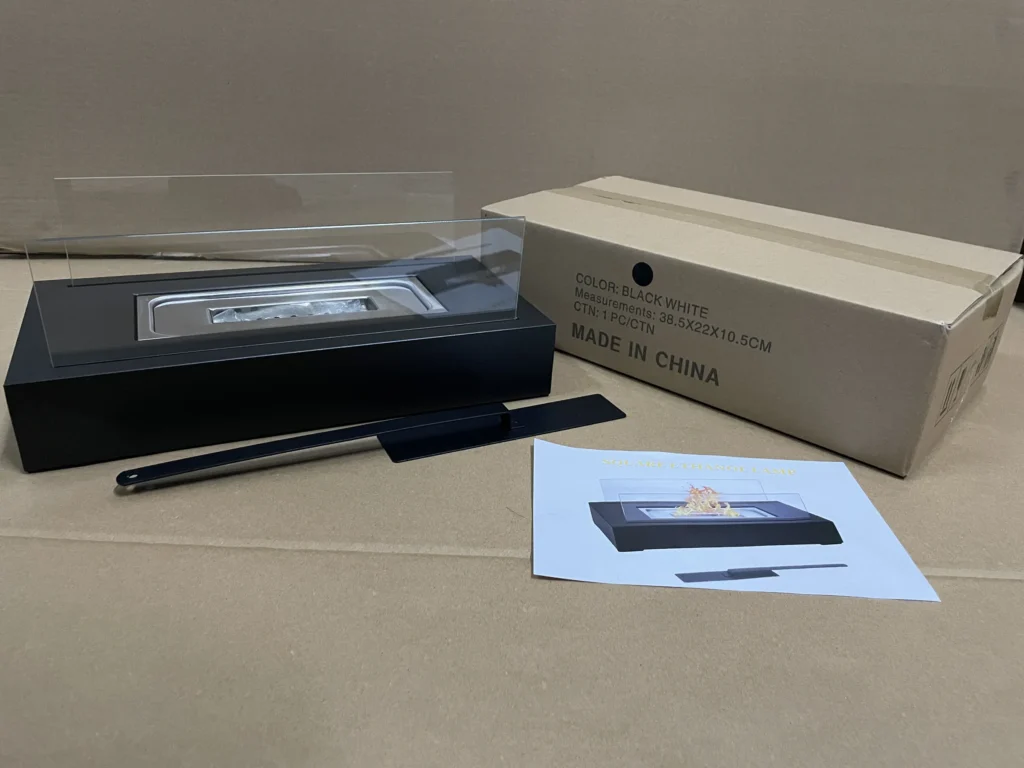
A pre-tooling review should produce a controlled drawing pack. At minimum, the buyer should have the outer dimensions, burner dimensions, glass dimensions, assembly structure, material list, finish description, packaging outline, and accessory list. The supplier should mark the version clearly. If a buyer approves a drawing without a version number, every later conversation becomes harder: the supplier may think a minor update is obvious, while the buyer may consider it a new product.
The bill of materials does not need to expose every internal factory cost detail, but it should identify the parts that affect safety, fit, packaging, inspection, and after-sales support. Burner, glass, screws, pads, labels, carton, manual, inner protection, and spare components should be controlled enough that a later substitution is visible. A product can look the same in a photo while the production version has changed in ways the buyer would have wanted to review.
This is where HND’s factory production control guide becomes relevant. Tooling approval should not be separated from repeatability. The buyer should ask how the approved sample will become a production standard, how incoming components will be checked, how assembly will be inspected, and how the supplier will record changes before shipment.
Plan the Sample Path Before Paying for the Mold
A custom fireplace project often has several sample stages: concept sample, tooling sample, pre-production sample, and shipment sample. The buyer should define what each stage is supposed to prove. If the first sample only confirms appearance, the next stage should not be treated as full production approval. If the tooling sample changes burner fit or glass position, the documentation should be updated before the buyer signs off.
A strong sample plan answers five questions. Which sample version will be reviewed? Which dimensions and functions will be checked? Which labels, manual pages, and carton elements will be included? Which tests or supplier checks will be completed before the next payment? Which changes require a new sample or written approval? These questions sound basic, but they prevent common arguments later.
Buyers should also define who owns each decision. The supplier may provide design-for-manufacturing advice, but the importer controls the target market, brand promise, and local sales obligations. A third-party test lab can provide evidence, but it cannot make unclear commercial requirements disappear. The buyer should coordinate the supplier, compliance consultant, test partner, packaging designer, and internal product owner before tooling is released.
Connect Certificates to the Exact Custom Model
Certificates and reports are helpful only when they are traceable. A buyer should not accept a past certificate as proof that a new custom model is ready. The supplier should explain whether the evidence covers the exact model, a related model family, a component, a previous version, or only a general capability. The buyer should compare model numbers, drawings, photos, dimensions, burner details, fuel wording, manual version, label version, and test date, then keep the file discipline described in HND’s guide to ethanol fireplace product documentation for the EU.
HND maintains a public certificates and accreditations page, but buyers should still request model-specific discussion for a custom project. A certificate page can support supplier credibility. It does not replace a controlled review of the new SKU being tooled. For custom tabletop ethanol fireplaces, the question is not simply whether a supplier has experience with standards. The question is whether the planned design, sample, artwork, and production version are aligned.
When the evidence is not yet complete, the supplier should be transparent about the plan. It is acceptable for a custom product to need additional testing or review after the first tooling sample. It is not acceptable to hide that need behind a generic certificate. The buyer should write the test and document plan into the project timeline before deposit, especially when a retail launch date or seasonal promotion is involved.
Use a Clear Go, Hold, or Redesign Decision
The pre-tooling review should end with a decision, not a vague feeling. A simple traffic-light framework works well:
- Go: product scope is defined, critical drawings are controlled, burner and glass decisions are stable, label and manual space is planned, sample and test route is documented, and the supplier has confirmed change-control rules.
- Hold: the concept is commercially attractive, but one or more review items are incomplete. Common hold points include unclear fuel wording, incomplete manual outline, uncertain glass dimensions, missing packaging plan, or unresolved target-market questions.
- Redesign: the concept has a structural problem that should be corrected before tooling, such as unstable footprint, poor refill access, unrealistic warning placement, conflicting product claims, or a design feature the supplier cannot support with evidence.
This framework helps the purchasing team avoid a dangerous middle state: approving tooling while assuming compliance details will be fixed later. Some details can be finalized later, but the design must leave room for them. If the carton has no space for required warnings, if the product body has no practical label position, if the glass protection does not fit inside the proposed retail box, or if the manual describes behavior the product does not support, the project needs more work before tooling.
Buyer Checklist Before Opening Tooling
Use this checklist before approving a custom mold or tooling sample route:
- Confirm the final target market, sales channel, buyer label, and intended use.
- Assign one product identity: model name, model code, version, and drawing date.
- Review the burner, fuel access, extinguishing method, and user handling sequence.
- Check base geometry, footprint, weight target, contact surface, and stability assumptions.
- Confirm glass dimensions, fixing method, edge treatment, and packaging protection.
- Prepare a preliminary bill of materials for critical parts and packaging items.
- Reserve physical space for permanent labels, warnings, importer details, and traceability marks.
- Draft the manual outline before finalizing product features and lifestyle claims.
- Define which sample version will be used for review, inspection, and testing.
- Decide which design changes require buyer approval, retesting, or a new sample.
- Confirm internal links between quotation, drawings, artwork, manual, inspection checklist, and purchase order.
- Keep a written decision record: go, hold, or redesign.
If several items are still unknown, the buyer can still request a concept discussion or prototype estimate. But the project should not be treated as tooling-ready. HND’s customized service page is the right next step when the buyer has a concept, target market, and early specifications ready for supplier review.
Common Mistakes in Custom Fireplace Tooling
The first mistake is approving a shape before reviewing user behavior. A rendering may show a clean square fireplace on a table, but the buyer needs to imagine filling, lighting, extinguishing, cooling, cleaning, packing, unpacking, and reading the warnings. If the product looks elegant only when nobody uses it, the design is not finished.
The second mistake is treating packaging as a late purchasing item. For tabletop fireplaces, packaging protects glass, burner, body finish, manual, labels, and retail presentation. It can also affect whether consumers see safety information before first use. If packaging is designed after tooling, the buyer may discover that the ideal carton size, insert structure, and warning placement do not fit the product well.
The third mistake is approving a supplier’s “similar model” evidence without marking the difference. Similar evidence can be useful, especially at concept stage, but it should be labeled honestly. The project file should distinguish supplier capability evidence, component evidence, prior model evidence, and exact-model evidence. This avoids false confidence and gives the buyer a clear list of open actions.
The fourth mistake is allowing informal changes after sample approval. A factory may improve a pad, adjust a screw, change glass supply, revise an inner tray, or update a carton to solve a production issue. Some changes are harmless, but the buyer still needs visibility when the change affects safety, labeling, manual fit, packaging, or inspection criteria. Change control is not bureaucracy. It is how the approved design remains the shipped product.
How HND Can Support the Pre-Tooling Review
HND can help buyers turn a concept into a clearer project file before tooling. A useful inquiry includes target market, expected order route, reference dimensions, preferred shape, estimated retail channel, packaging expectations, branding requirements, and any compliance or documentation requests already received from the buyer’s team. The more specific the inquiry, the more practical the review can be.
Buyers can browse HND’s product range to compare existing tabletop fireplace structures before requesting a custom design. Existing models may provide a faster route than a new mold, especially when timeline, compliance evidence, and sample approval speed matter. When a new concept is necessary, HND can discuss the design details that should be settled before tooling approval.
The best next step is not to ask for the lowest tooling price first. It is to send the concept for structured review: product scope, design intent, target market, desired size, burner expectations, packaging route, and launch timing. Then the buyer and supplier can decide whether the project is ready for prototype, needs design adjustment, or should start from an existing model.
If your team is preparing a custom tabletop ethanol fireplace for EU distribution, send the concept, target market, rough dimensions, and expected order route through HND’s contact page. Ask for a pre-tooling review before you freeze the mold, label, manual, and carton artwork.
FAQs
Is pre-tooling compliance review the same as final certification?
No. A pre-tooling review is an early project gate. It checks whether the design, documents, labels, manual plan, sample path, and production controls are mature enough to open tooling. Final certification or testing evidence may still need to be completed after representative samples exist.
Can an old EN 16647 report cover a new custom tabletop fireplace?
Only if the buyer can verify that the report actually covers the exact model and version being ordered, or if a competent reviewer confirms how the old evidence applies. Many custom projects need additional model-specific review because burner, glass, dimensions, labels, manual, or packaging may differ from the earlier tested product.
When should the user manual be drafted?
The manual outline should be drafted before tooling approval. Exact translations and final layout can come later, but the design must leave room for the instructions, warnings, product identity, and user sequence described in the manual.
Should packaging be included in the compliance review?
Yes. Packaging affects glass protection, manual placement, warning visibility, product identity, shipment damage risk, and retail presentation. It should be reviewed before tooling if the product shape or accessories will determine carton structure.
What if the buyer only has a reference photo?
A reference photo is enough to begin a concept discussion, but it is not enough for tooling approval. The buyer should convert the idea into dimensions, intended use, target market, burner concept, material direction, packaging expectations, and compliance questions before paying for a mold.
Can HND review private-label artwork before production?
HND can discuss whether private-label artwork aligns with the product, packaging, warning space, manual plan, and supplier documentation route. Buyers should still use qualified local compliance support for legal-market decisions and final language requirements.
What is the biggest warning sign before opening tooling?
The biggest warning sign is mismatch: drawings, quote, sample, burner, label, manual, carton, and certificate references do not describe the same product version. If the project file cannot identify one controlled product, tooling approval should wait.
Sources
- European Commission Access2Markets, “EU’s General Product Safety Regulation (GPSR): A New Era of Consumer Protection,” 6 January 2025.
- ACCC Product Safety, “Decorative alcohol fuelled devices mandatory standard,” accessed during article preparation.
- National standards listings for EN 16647-1:2025, alcohol-powered flueless decorative fireplaces.
- HND Fireplace internal compliance, testing, factory production control, labeling, documentation, and custom-service pages linked in this article.