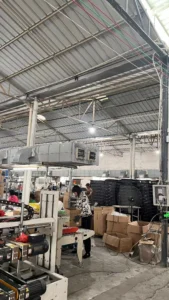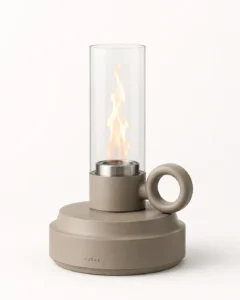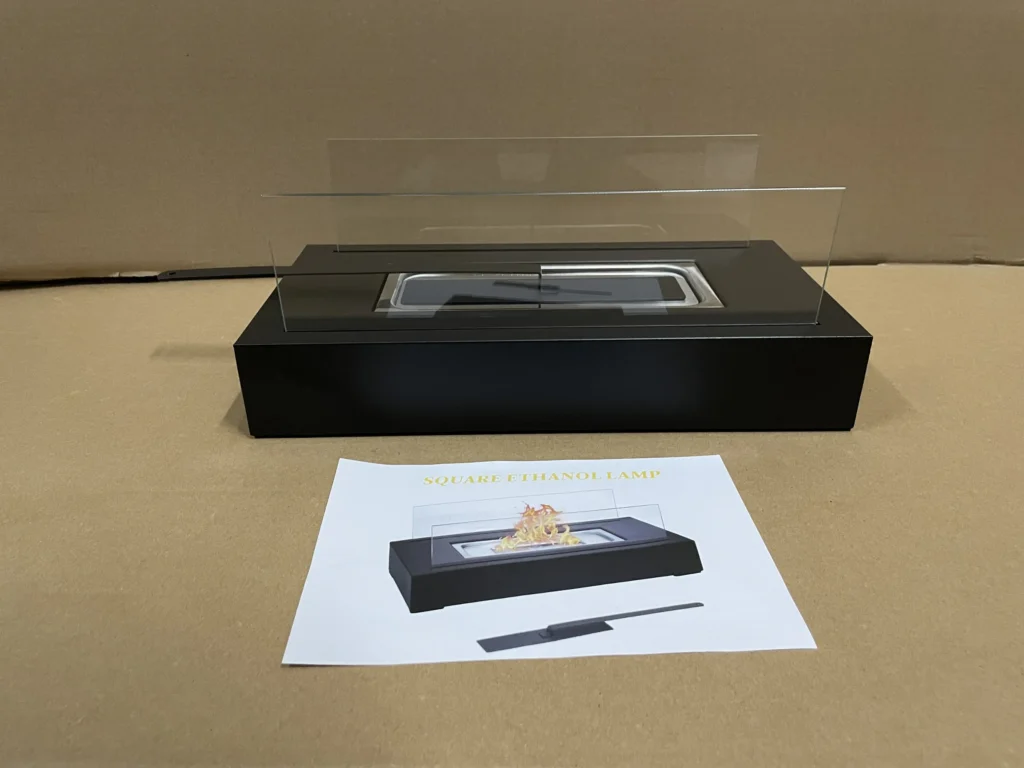
Quick answer: product documentation matters for EU ethanol fireplaces because the buyer is not only approving a flame shape, burner size, glass panel, packaging style, or price. The buyer is also approving the records that explain what the product is, which safety scope it was designed around, how it should be identified, how it should be used, what warnings should travel with it, and which documents can support importer or retailer due diligence later. For tabletop and decorative ethanol fireplaces, the documentation pack should connect the physical product, fuel box, labels, manual, packaging, test references, change history, and after-sales traceability before mass production begins.
That does not mean a folder of PDFs makes a fireplace compliant by itself. A document can be outdated, copied from a different model, translated badly, or disconnected from the actual shipment. The commercial value of documentation is that it gives importers, distributors, private-label brands, and hospitality buyers a way to check whether the product design and the paperwork are moving together. When the paperwork is weak, the buyer usually discovers risk late: during marketplace listing, customs review, retailer onboarding, insurance review, customer service, or a product incident.
For EU-focused buyers, ethanol fireplace product documentation should be treated as a purchasing control. It belongs in the same approval conversation as sample quality, carton drop resistance, burner finish, glass stability, fuel-cap design, instruction layout, and final inspection. A clean documentation system makes the product easier to evaluate, easier to list, easier to explain to customers, and easier to maintain across repeat orders.
The product file is part of the product
An ethanol fireplace is a consumer-facing fire product. Buyers naturally focus on visible design: flame line, body material, tabletop footprint, decorative glass, surface finish, color, logo position, and packaging presentation. Those details matter, especially for retail shelves and e-commerce conversion. But documentation decides whether the same product can be responsibly handled after the sample photo is approved.
The documentation file answers basic questions that design images cannot answer. Which model is this? Which version of the burner is installed? Is the product manually operated or part of another control category? Is the fuel box integral to the unit? What fuel type is the manual written around? What warnings appear on the product, packaging, and instructions? Which report or internal check connects to this exact construction? What changed between sample approval and mass production?
Those questions are not academic. They affect purchase orders, carton markings, importer records, marketplace listings, customer service scripts, and recall readiness. A retailer may ask for a manual and product label before onboarding. An importer may need a product identifier that matches the commercial invoice and carton label. A distributor may need language versions for different EU markets. A private-label brand may need the supplier to separate its brand artwork from safety warnings and manufacturer traceability details. If those items are solved only after production, the buyer has much less leverage.
For a closer documentation review, use the EN 16647 labelling and user-manual requirements guide to check product labels, cartons, warnings, language coverage and online listing information.
HND buyers who are still mapping the EU standard context can start with the EN 16647-1:2025 tabletop ethanol fireplace guide, then use this article as the documentation layer of the same compliance conversation.
Start by confirming the scope before approving artwork
Documentation should begin with scope. EN 16647-1:2025 is publicly listed as a standard for alcohol powered flueless fireplaces, with safety requirements and test methods for manually operated decorative fireplaces for domestic use. Public scope previews from standards bodies describe liquid alcohol decorative fireplaces for domestic use, including free-standing, wall-mounted, and built-in designs, and they distinguish manual user interaction for ignition, filling, refilling, or extinguishing.
That scope matters because a buyer can unintentionally mix claims from different product categories. A tabletop decorative fireplace for domestic use is not the same documentation problem as an automatic fireplace, an outdoor-only appliance, a food-warming device, a vehicle product, or a product sold with a defined heating function. The file should make the intended product type clear before the label, manual, and listing copy are written.
This is also why HND keeps a separate explanation of the manual vs automatic ethanol fireplace standard split. A buyer does not need every clause in a sourcing email, but the supplier and buyer should share the same understanding of which product family is being discussed.
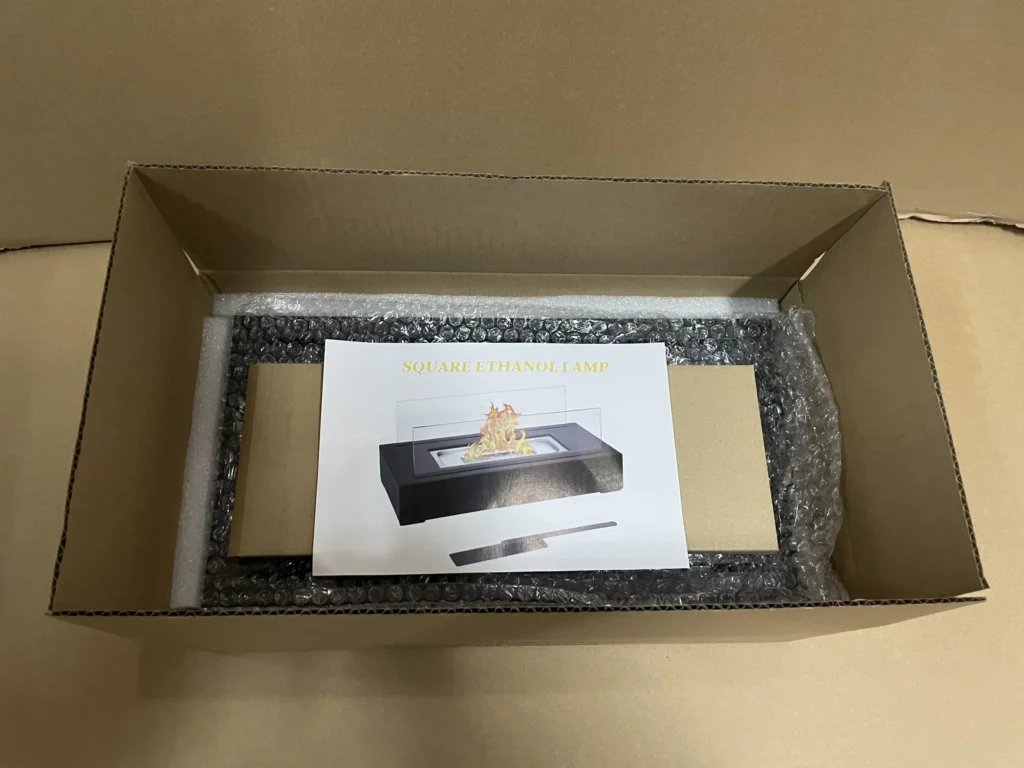
What EU buyers should ask for in a documentation pack
A useful documentation pack is not measured by how many files it contains. It is measured by whether each file supports a real decision. For ethanol fireplaces, the pack should help the buyer identify the product, understand intended use, review warnings, check test references, control artwork, and connect the shipment back to approved samples.
| Documentation item | Buyer question it should answer | When to check it |
|---|---|---|
| Product specification sheet | Does the file describe the exact model, dimensions, materials, fuel box, accessories, and intended use? | Before quotation approval |
| Model or batch identifier plan | Can the product, carton, manual, invoice, and test/report references be connected later? | Before packaging artwork |
| User manual | Are operating, filling, extinguishing, ventilation, placement, and maintenance instructions clear for the target market? | Before sample sign-off |
| Warning label artwork | Are safety warnings legible, durable enough for the use case, and separated from decorative branding? | Before tooling or label printing |
| Packaging marks | Does the carton support product identification, importer handling, and customer recognition? | Before mass packaging production |
| Test or assessment references | Do reports or internal records match the current model, construction, fuel type, and standard version? | Before deposit or shipment |
| Change-control record | Are material, burner, glass, packaging, supplier, or artwork changes recorded after approval? | Every repeat order |
This table is intentionally practical. Many importers do not need a long standards lecture at the purchase stage. They need to know whether the product that was photographed, sampled, quoted, tested, labeled, packed, and shipped is still the same controlled product. That is the job of documentation.

Traceability is not optional paperwork
The EU General Product Safety Regulation, Regulation (EU) 2023/988, gives buyers a clear reason to care about documentation. It places product safety and economic-operator obligations around risk analysis, technical documentation, product identifiers, manufacturer contact details, importer checks, instructions, warnings, and online offer information. The exact duties depend on the buyer’s role and market route, but the commercial message is simple: a product should be identifiable and supported by records before it is placed into an EU sales channel.
For an importer, traceability begins earlier than customs clearance. It starts when the buyer asks the supplier to confirm the model name, version, fuel box construction, packaging code, manual revision, and label artwork. If a supplier cannot connect those items, a buyer may still receive a good-looking product, but the buyer has a weak record if a retailer, authority, marketplace, insurer, or customer later asks what was supplied.
A strong product identifier does not need to be complicated. It can be a model code, batch code, production date, purchase-order reference, or serial/batch system appropriate to the order. What matters is consistency. The identifier shown on the document file should not contradict the label, carton, invoice, manual, or test reference. If it does, the buyer should stop and reconcile the file before release.
Manuals should control real user behavior
Decorative ethanol fireplaces are often sold on design. The manual is where design meets user behavior. A manual should explain placement, stable surface requirements, fuel type, filling limits, ignition steps, refilling restrictions, extinguishing process, cooling time, ventilation expectations, storage of fuel, cleaning, glass handling, and what not to do around children, pets, curtains, furniture, or moving air.
This matters because many problems are not caused by the body shape alone. They come from misuse, unclear refilling instructions, unrealistic indoor use assumptions, poor warning placement, or a mismatch between the appliance and the user’s room. Research on nonvented ethanol fireplaces has shown why ventilation, combustion by-products, fuel consumption, and user instructions deserve buyer attention. The article should not turn that research into a claim about every product, but it does support a conservative sourcing habit: instructions should be specific enough to shape safe use.
A buyer evaluating samples can pair manual review with physical checks from the tabletop ethanol fireplace safety guide. If the sample has a burner opening, glass panel, extinguishing tool, or filling method that the manual does not explain clearly, the file is not ready for mass approval.
Private-label buyers need artwork discipline
Private-label ethanol fireplace projects often create documentation risk because branding work and safety work happen at the same time. The marketing team wants a clean carton. The importer wants local language. The supplier wants production-ready files. The compliance team wants warnings and identifiers protected. If nobody owns the document version, the final artwork can become a compromise that looks polished but removes important safety or traceability content.
The safest workflow is to separate brand artwork from mandatory information. Logo placement, color, product photography, barcode layout, and retail copy can be customized, but safety warnings, model identifiers, manufacturer information, importer information where applicable, and user instructions should be reviewed as controlled content. When HND supports customized ethanol fireplace projects or customized packaging, buyers should keep a final approval copy of the manual, product label, carton marks, and any insert sheets for the order file.
Do not let test reports drift away from the actual product
Test reports and certificates are useful only when they can be matched to the current product. A report for an earlier model, different burner construction, different glass arrangement, different fuel box, different power output, or different intended use may not answer the buyer’s present question. This is especially important in decorative fireplace sourcing because small visible changes can affect how the product is filled, lit, extinguished, cleaned, packed, or placed by the end user.
Buyers should ask for the report title, issuing organization, product/model reference, tested sample description, standard or method reference, issue date, and any limitation notes. They should then compare those details against the sample and purchase order. The goal is not to collect impressive logos. The goal is to confirm that the documentation describes the same product the buyer intends to sell.
HND’s certificates and accreditations page is a useful starting point for the factory-level and product-document conversation, but order-level buyers should still request the documents relevant to the exact model, market, and shipment.
A practical documentation approval workflow
Documentation should not wait until the container is ready. The better approach is to attach documentation gates to the normal buying process.
- Before quotation: confirm product type, intended use, dimensions, burner/fuel box description, target market, and whether the buyer needs manual, label, carton, or private-label support.
- Before sampling: ask for a draft specification sheet, manual outline, warning approach, and image or drawing that identifies the fuel box and key accessories.
- Before sample approval: compare the physical sample with the specification, manual steps, filling method, extinguishing method, and packaging intent.
- Before deposit: request the current documentation pack, including model code, test/report references where applicable, label copy, packaging marks, manual language plan, and change-control notes.
- Before shipment: review final artwork and production identifiers, then keep the approved files together with the purchase order and inspection records.
- Before repeat order: ask whether any material, burner, glass, supplier, finish, packaging, manual, or label item has changed since the last approved order.
This workflow protects both sides. The buyer avoids late-stage surprises. The supplier avoids repeated artwork revisions after production planning. The product team keeps design, safety communication, and commercial packaging aligned.
Common documentation mistakes in ethanol fireplace sourcing
The first mistake is using a generic manual. A manual copied from another model may miss the actual fuel box, extinguishing tool, glass installation, tabletop footprint, or packaging accessories. The second mistake is treating the product label as decoration. A beautiful label that omits useful model, batch, warning, or contact information may create a later traceability problem. The third mistake is accepting old report references without comparing them to the current sample.
The fourth mistake is changing packaging after sample approval without updating the documentation file. Carton changes can affect warning visibility, language coverage, spare-part inserts, instruction placement, and retail scanning. The fifth mistake is allowing sales claims to outrun the evidence. Phrases such as “EU compliant,” “certified,” “safe for all indoor rooms,” or “no ventilation needed” should not appear unless the buyer has evidence and local legal review to support the exact wording.
A good rule is to ask whether a third party could understand the product file six months after delivery. If the answer is no, the documentation is not strong enough for a serious EU-facing supply chain.
How documentation helps commercial teams
Documentation is often managed by compliance or quality teams, but commercial teams benefit from it. A distributor with clean manuals and product identifiers can support retailers faster. A private-label brand with controlled carton artwork can launch across more channels with fewer emergency revisions. A hospitality buyer with clear instructions can train staff and control fuel handling. An e-commerce team with accurate warnings and product identification can build more defensible product pages.
Documentation also helps after-sales teams answer questions consistently. If a customer asks about fuel, refilling, placement, glass cleaning, storage, or extinguishing, the team should be able to point to the same manual that shipped with the product. If a retailer asks for clarification, the importer should not have to reconstruct the product history from emails and sample photos.
This is where buyers should connect documentation to the full product range. When reviewing HND’s ethanol fireplace products, the commercial discussion should include which documents are available for the target model, which items need localization, and which documents will be locked before shipment.
Checklist before approving an EU ethanol fireplace order
- The product category, intended use, and manual or automatic operation are clearly stated.
- The selected standard or assessment route is relevant to the actual product and market plan.
- The model code, batch logic, carton marks, label, manual, invoice, and test/report references do not contradict each other.
- The user manual explains fuel type, filling, ignition, extinguishing, cooling, cleaning, storage, placement, ventilation, and misuse warnings.
- The packaging file keeps mandatory warnings and identifiers visible after branding changes.
- The buyer has checked whether target-language instructions and warnings are needed for each EU market.
- The supplier confirms whether any material, burner, glass, finish, accessory, or packaging change has occurred since the approved sample.
- The buyer keeps the approved documentation pack with the purchase order, inspection record, and shipment file.
When to involve legal or compliance specialists
A sourcing team can check consistency, completeness, and document discipline. It should not guess legal obligations for every EU member state or every sales model. Buyers should involve qualified compliance or legal specialists when they make broad compliance claims, enter a new market, sell through online marketplaces, change from B2B supply to consumer retail, add private-label ownership, alter the fuel system, or receive conflicting advice from retailers, labs, or authorities.
This is especially important because product safety obligations can sit with different parties depending on the route to market. Manufacturer, importer, distributor, responsible person, marketplace, and private-label brand roles are not interchangeable. A supplier can provide documents and manufacturing records, but the importer or brand still needs to understand its own obligations.
Conclusion: approve the flame and the file together
EU ethanol fireplace buyers should not treat documentation as a shipment accessory. It is part of product readiness. The file should identify the product, explain intended use, support standard-scope review, communicate warnings, connect the shipment to reports or assessments, and preserve traceability after the order leaves the factory.
The best sourcing conversations happen before production pressure begins. Ask for the product documentation pack while the sample is still being evaluated. Compare it against the physical fireplace, packaging, label artwork, and commercial claim. Lock the final manual, label, carton, and identifier plan before shipment. That discipline gives importers, distributors, retailers, and private-label teams a stronger foundation for EU-facing sales.
To review documentation needs for a specific tabletop or decorative ethanol fireplace project, contact HND Fireplace with the target model, market, order quantity, and packaging requirements.
FAQs
Is product documentation the same as certification?
No. Documentation is the controlled file that identifies the product and supports evaluation. Certification or testing may be part of that file, but a document pack does not automatically prove compliance unless the evidence matches the exact product, market, and claim.
Which document should EU ethanol fireplace buyers check first?
Start with the product specification sheet and intended-use statement, then compare the manual, labels, packaging marks, and test/report references against that exact product. Scope errors early in the file can make later documents unreliable.
Do private-label orders need different documentation?
They often need tighter document control. Brand artwork, local language, importer information, warning placement, and model identifiers should be reviewed before printing. Marketing design should not remove safety or traceability information.
Why should packaging be reviewed for documentation?
Packaging may carry model identifiers, warnings, handling details, barcodes, importer information, and instruction inserts. If the carton changes after sample approval, the documentation file should be checked again.
Can one report cover every ethanol fireplace model?
Not automatically. Buyers should check whether the report describes the same model, construction, fuel box, intended use, and standard version. Similar appearance is not enough for responsible document review.
Should manuals be translated for each EU market?
Buyers should check the language requirements for every market where the product will be made available. Safety instructions and warnings should be understandable to the intended consumer, and translation should preserve the operating meaning.
When should documentation be finalized?
The core file should be reviewed before deposit and locked before shipment. Repeat orders should reopen the file if the burner, material, glass, finish, packaging, manual, label, or supplier process changes.
Sources
- BSI Knowledge, BS EN 16647-1:2025.
- Danish Standards, DS/EN 16647-1:2025 listing.
- EUR-Lex, Regulation (EU) 2023/988 on general product safety.
- Fraunhofer, Ethanol fireplaces: the underestimated risk.