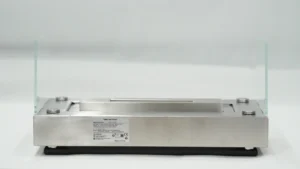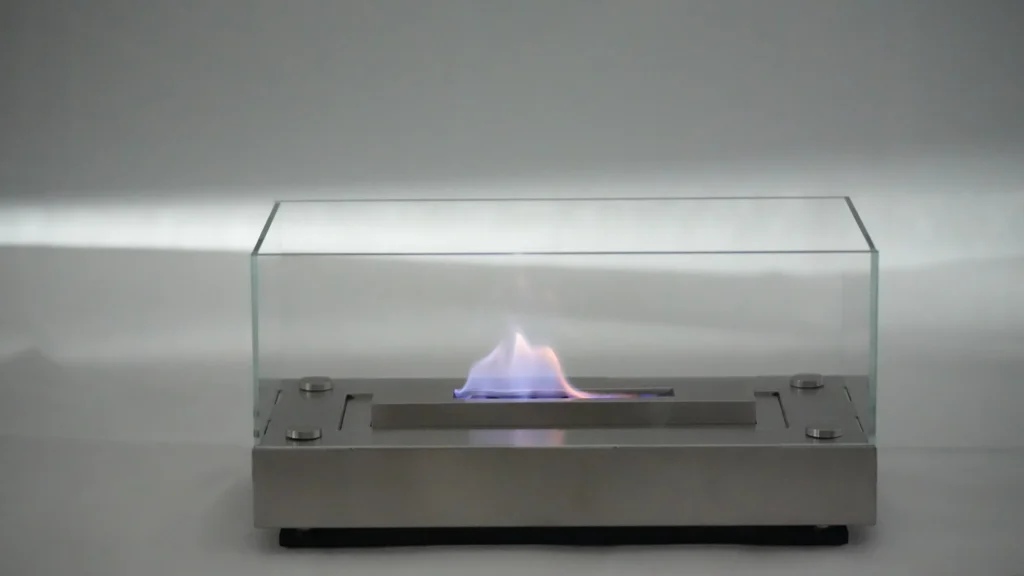
Why Ethanol Fireplace Compliance Should Start Before Product Sampling
Quick Answer: Ethanol fireplace compliance in Europe should start before product sampling because the sample is not only a design preview. For B2B buyers, it becomes the first physical proof of market assumptions: appliance type, burner design, filling method, stability, warnings, instructions, packaging, traceability, and supplier documentation. If those assumptions are wrong, a beautiful sample can still be unsuitable for importer review, retailer onboarding, hospitality procurement, or later testing. Early compliance planning does not replace laboratory assessment or legal advice, and it does not prove that a product is compliant by itself. It helps buyers ask better questions before money is spent on molds, packaging, manuals, photography, listings, and purchase orders. For European projects, the practical starting point is to define the intended market, identify the applicable safety framework, map the product against EN 16647-1:2025 where relevant, and request model-specific evidence from the supplier before approving a sample for scale.
Many sourcing teams treat product sampling as a design and price milestone. They compare flame appearance, glass thickness, finish quality, packaging, carton size, and perceived retail value. Those checks matter, but they are not enough for ethanol fireplace compliance Europe decisions. A tabletop ethanol fireplace uses liquid or gelatinous fuel and creates an open decorative flame. That makes the product different from many ordinary home decor items. The buyer is not only choosing an aesthetic object; the buyer is choosing a product architecture that must make sense for a market, a channel, and an evidence file.
This is especially important for importers, distributors, retail brands, e-commerce sellers, and hospitality buyers who need repeatable supply. A sample can look attractive in a showroom and still raise practical questions: Is the filling approach controlled? Are warnings visible? Does the manual match the model? Is the packaging built for the actual retail channel? Can the supplier explain which standard scope was considered? Are test reports, declarations, labels, product identifiers, and revision records connected to the exact model being sampled?
That is why compliance should not be postponed until after sample approval. If compliance is treated as paperwork added at the end, the buyer may discover too late that a detail already approved in the sample affects the documentation path, product marking, instructions, or the cost of redesign. The better approach is simple: make compliance part of the sample brief, then evaluate the sample against that brief.
What Compliance Means Before a Sample Exists
Before the first sample is made, compliance is a planning discipline. It does not mean that every test has already been completed. It means the buyer and supplier have agreed on the target market, product category, use environment, fuel assumptions, sales channel, documentation expectations, and evidence responsibilities. For tabletop ethanol fireplaces, those details influence the product from the beginning.
European buyers should pay particular attention to the relationship between general product safety duties and product-specific standards. Regulation (EU) 2023/988 is the EU’s current general product safety framework for consumer products. It is not a private checklist for one fireplace model, but it is important context for importers and distributors because it reinforces the expectation that products placed on the market must be safe and supported by responsible economic operators. For decorative ethanol fireplaces, EN 16647-related standards are a central reference point for appliance scope and safety evaluation.
The practical mistake is to ask for a sample first and only later ask, “Can this meet Europe?” That question is too broad. A better pre-sampling question is: “For this target European project, what design, warning, instruction, packaging, and documentation choices must be visible in the sample so that the buyer can evaluate the model responsibly?”
Why EN 16647-1:2025 Changes the Sample Conversation
EN 16647 has long been associated with decorative appliances producing flames using alcohol-based or gelatinous fuel. Public standards listings for EN 16647-1:2025 describe the standard as applying to decorative fireplaces or appliances for domestic use that produce a flame using liquid or gelatinous alcohol fuel, including free-standing, wall-mounted, and built-in appliances within the stated power scope. The full standard text must be purchased or accessed through official standards channels, so buyers should avoid relying on copied fragments or supplier summaries as a substitute for the actual document.
For sourcing teams, the important point is not to quote the standard clause by clause. The important point is to recognize that standard scope affects product planning. If a buyer is sourcing a manual tabletop ethanol fireplace for Europe, the sample should be prepared with the applicable scope in mind from the first brief. If the product uses automatic ignition, automatic fuel control, or another architecture that changes its scope, the buyer should clarify that before approving any sample. Scope uncertainty is not a small technicality; it can change which evidence is relevant.
That is why HND keeps a separate EN 16647-1:2025 tabletop ethanol fireplace buyer guide for deeper standard-aware evaluation. This article is the earlier step: understanding why the sample request itself must be compliance-aware.
The Cost of Treating Compliance as a Late-Stage Task
Late compliance work usually creates one of three problems. First, the sample looks good, but the buyer cannot match it to a clear documentation package. The report may refer to a different model, the manual may be generic, the label may be missing key identifiers, or the packaging may not match the channel. Second, the product may need design changes after the buyer has already approved photography, listings, cartons, or retail presentation. Third, the importer may have to rebuild the evidence file under schedule pressure, which increases the risk of missing inconsistencies.
These problems are avoidable. A compliance-aware sample brief does not make the process slower. It makes the first sample more useful. The buyer can evaluate appearance, function, packaging, and documentation together instead of treating them as separate workstreams.
| Sampling Decision | Why It Matters for Compliance | What Buyers Should Ask Before Sampling |
|---|---|---|
| Manual or automatic operation | Appliance scope and relevant evaluation path may differ. | Which operation type is this exact model designed for? |
| Burner and fuel opening design | Filling, refilling, extinguishing, and user interaction are safety-critical. | How is user access to fuel controlled and explained? |
| Glass, body, and stability design | Decorative appeal cannot replace physical stability and safe use assumptions. | What stability and handling evidence will accompany the sample? |
| Labels and warnings | Warnings added after production may conflict with the actual product surface or packaging. | Where will model identifiers, fuel information, and warnings appear? |
| Manual and language plan | Instructions are part of safe use, not a translation task added at the end. | Can the supplier provide model-specific instructions for buyer review? |
| Retail packaging | Packaging affects warnings, transport protection, barcode planning, and customer-facing claims. | Will the sample include the intended carton, inserts, and warning layout? |
Start With the Target Market, Not the Product Photo
A product photo can inspire a sourcing project, but it cannot define the compliance path. The first step should be a short market brief. Is the buyer planning to sell through EU retail, marketplace channels, hospitality projects, distributor networks, private label, or project procurement? Will the product be marketed as a tabletop fireplace, decorative fire feature, gift item, outdoor accessory, or hospitality ambience product? Is the target user a consumer, hotel operator, restaurant, event venue, or retailer?
These questions affect how the buyer frames the project. A distributor may need a repeatable evidence package for multiple retail customers. A private-label brand may need packaging and manuals in several languages. A hospitality buyer may focus on operational controls and staff training. An e-commerce seller may need product identifiers, images, instructions, marketplace declarations, and customer support workflows. The product may be physically similar in each case, but the commercial risk is different.
When buyers skip this step, they often ask suppliers for “EU compliant” products without defining the actual route to market. That phrase is too vague. A stronger request says: “We are sourcing a manual tabletop ethanol fireplace for EU retail distribution. Please provide a sample and evidence package suitable for review against the applicable decorative ethanol fireplace safety framework, including model-specific manual, label, packaging, and available test documentation.”
Build the Evidence File Before the Sample Review Meeting
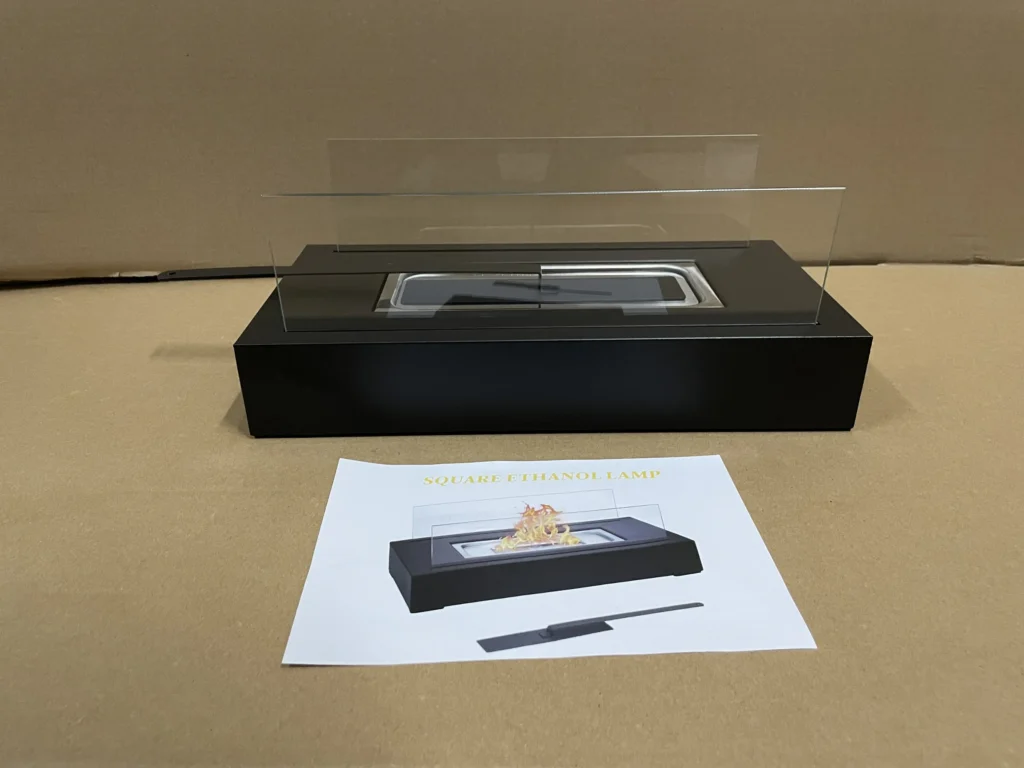
The evidence file does not have to be perfect before the first sample arrives, but it should exist. At minimum, it should identify the model, revision, target market, standard references, available test evidence, product images, label artwork, manual draft, packaging draft, and open questions. That file gives buyers a structured way to review the sample.
For a practical documentation path, connect this article with HND’s ethanol fireplace supplier safety documents guide. That guide explains why model-specific documents matter more than generic claims. The same logic applies before sampling: a supplier’s broad certificate list may be useful background, but the buyer needs evidence that maps to the exact product being reviewed.
Version control matters here. If the buyer approves Sample A, the supplier later changes burner geometry, glass height, surface treatment, carton construction, or warning placement, the file should record that change. Otherwise, the buyer may believe that the approved sample and the shipped product are the same when they are not.
Use the Sample to Check Safety Features, Not Only Finish Quality
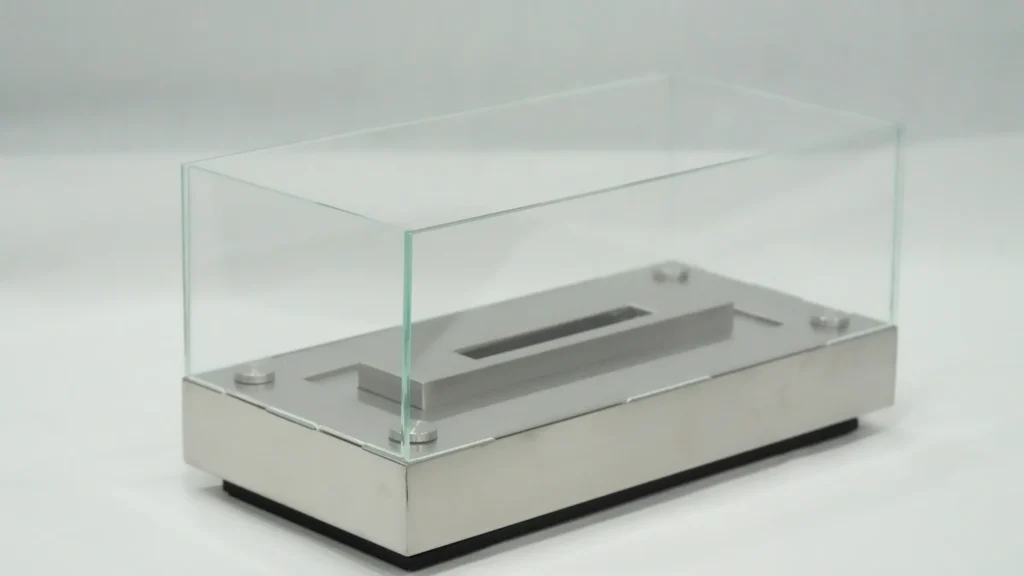
Finish quality is easy to judge visually. Safety-related design is harder because it requires the reviewer to slow down. The sample review should include the product itself, the fuel area, flame-control assumptions, extinguishing method, stability, user contact points, glass components, sharp edges, packaging protection, warnings, and manual language. The goal is not to certify the product in a meeting. The goal is to identify whether the sample is suitable for deeper review or whether basic assumptions need correction.
HND’s ethanol fireplace safety features article gives buyers a useful next layer for evaluating burner design, stability, packaging, and documentation. During sampling, treat those features as connected. A burner design that looks premium but is poorly explained in the manual is not ready for a serious importer file. A carton that looks attractive but hides warning placement problems may create work later. A sample that arrives with no model-specific instruction draft leaves the buyer guessing about intended use.
Do Not Confuse Supplier Experience With Model Evidence
Supplier experience is valuable. It can reduce communication friction, improve manufacturing consistency, and help buyers anticipate common issues. But experience does not automatically prove that a specific sample is ready for a specific European channel. Buyers should separate company-level credibility from model-level evidence.
Company-level information may include manufacturing background, quality systems, product categories, export history, and general certificates. Model-level evidence should identify the actual fireplace under review. It should connect the sample to its drawings, material choices, warning labels, manual, packaging, and available test reports. If the project later moves into private label or customized design, the model-level file becomes even more important because the buyer is no longer relying only on a standard catalogue item.
For buyers comparing suppliers, this distinction is useful. A supplier that can explain model-level evidence clearly is easier to work with than a supplier that only sends marketing claims. The buyer should still verify documents independently, but the quality of the supplier’s evidence discipline is visible early.
Sampling Checklist for European Ethanol Fireplace Projects
Use this checklist before approving a tabletop ethanol fireplace sample for deeper evaluation, retail presentation, or pre-order negotiation.
- Define the target market, channel, and intended user before requesting the sample.
- Confirm whether the product is manual, automatic, or otherwise outside the assumed scope.
- Request the exact model code, product revision, and sample revision date.
- Ask which safety standard references the supplier considered and why.
- Request model-specific manual, label, packaging, and warning drafts.
- Check whether available test reports match the same model or only a related family.
- Review burner access, filling assumptions, extinguishing method, and user-contact areas.
- Review stability, glass protection, sharp edges, surface finish, and packaging protection.
- Record every change requested after the first sample and connect it to a revised evidence file.
- Do not approve mass-production artwork, cartons, or listings until documentation questions are closed.
How This Fits Into a B2B Buying Workflow
For importers and distributors, compliance-aware sampling should sit between initial product selection and commercial negotiation. A buyer may start with market research and product range planning, then request samples from shortlisted suppliers. Before final quotation and purchase order terms, the buyer should know whether the product architecture, packaging, and documentation path are credible.
For retailers and private-label brands, this process protects listing quality. Product pages, packaging claims, user instructions, and support scripts should not be written around unsupported assumptions. If a warning, operating instruction, or fuel limitation must be clear to the user, it should be reflected before photography and listing copy are locked.
For hospitality and project buyers, the issue is operational. A tabletop flame feature may be used by staff, guests, event teams, or venue operators. Sampling should therefore include handling, refilling assumptions, storage, staff instruction needs, and whether the product is appropriate for the planned use environment. The buyer should not rely on product appearance alone.
Where HND Fits in the Evaluation Process
HND manufactures tabletop ethanol fireplaces and related product ranges for B2B buyers. For compliance-sensitive projects, the useful conversation is not simply “send the best-looking sample.” It is a structured brief: target market, channel, model type, documentation expectations, packaging route, customization needs, and buyer evidence requirements. That makes the sample more useful and reduces rework.
If you are still defining the product range, review HND’s tabletop ethanol fireplace product range guide. If you are already comparing physical samples, use the sample evaluation guide and the sample quality guide alongside this article. For product options, browse HND ethanol fireplace products, then contact HND with your market brief and documentation requirements through the contact page.
Practical CTA: Prepare the Compliance Brief Before the RFQ
Before sending an RFQ, prepare a one-page compliance brief. It should state the target market, intended channel, operation type, sample quantity, documentation expectations, packaging needs, preferred internal links to evidence, and any buyer-specific restrictions. Attach that brief to the sample request and ask the supplier to respond point by point.
This approach helps both sides. The buyer gets a more meaningful sample. The supplier understands what evidence matters. The quotation becomes clearer because it can include packaging, labels, manual preparation, customization, and documentation support. Most importantly, the buyer avoids treating compliance as an afterthought.
FAQ
Does early compliance planning prove an ethanol fireplace is compliant in Europe?
No. Early planning does not replace testing, legal review, importer obligations, or access to the official standard text. It helps buyers structure the sample request and evidence review before approving a product for scale.
Should buyers ask for EN 16647-1:2025 evidence before sampling?
Buyers should ask which standard scope the supplier considered and what model-specific evidence is available. The depth of evidence may vary at the first sample stage, but the supplier should be able to explain the intended path clearly.
What is the most common mistake in ethanol fireplace sampling?
The common mistake is approving the visual sample first and asking compliance questions later. That can force changes to the burner, manual, label, packaging, or documentation after the buyer has already committed to a design.
Can one certificate cover every model in a product family?
Not automatically. Buyers should check whether the certificate, report, or documentation identifies the exact model, a tested representative model, or only a broader product family. Model matching matters.
Why do labels and manuals matter during sampling?
Labels and manuals explain intended use, warnings, product identity, and safe operation. If they are added after the sample is approved, they may conflict with the product surface, packaging layout, or actual user interaction.
Should importers rely on supplier marketing claims?
Marketing claims can guide initial screening, but importers should request model-specific evidence and verify documents independently. Claims such as “EU ready” or “standard compliant” need supporting detail.
What should a buyer send HND before requesting samples?
Send the target market, channel, preferred product type, expected fuel format, packaging route, customization needs, documentation expectations, and any retailer or importer requirements. That allows the sample to be prepared for a real evaluation.
Sources
- EUR-Lex: Regulation (EU) 2023/988 on general product safety
- European Commission Access2Markets: GPSR overview
- ITeH standards listing: EN 16647-1:2025
- NSAI standards catalog listing: EN 16647:2015
- GOV.UK guidance: EU Regulation 2023/988 on general product safety
For buyers comparing product scopes after the EN 16647 split, HND also provides a practical manual vs automatic ethanol fireplace standard guide to help match supplier evidence to the correct operating mode before sampling.
For buyers moving from compliance awareness into order approval, HND also explains why EU ethanol fireplace product documentation should connect labels, manuals, product identification, test references, and change records before mass production.