
Two suppliers can quote a tabletop ethanol fireplace that looks similar in a photograph and still offer substantially different products, packaging and responsibilities. To compare ethanol fireplace quotations, a purchasing team needs a common specification and a clear record of what each price includes. Otherwise, a spreadsheet can make an incomplete offer look more competitive than a complete one.
This guide is for importers, distributors, retailers and private-label buyers who have already shortlisted suppliers and received offers. Its purpose is to turn those offers into a usable commercial comparison, identify unanswered questions and decide which revised quotation is ready for sample evaluation. If you are still building a shortlist, start with the wholesale sourcing guide.
Quick Answer
Compare ethanol fireplace quotations by putting every supplier on the same product, quantity, packaging and delivery basis before ranking prices. Match the model reference, dimensions, burner assembly, glass, finish, accessories and documentation scope. Separate recurring unit costs from one-time development charges, and mark every line as included, separately priced, excluded or awaiting clarification. A blank cell is not a zero-cost item. Record the Incoterms rule, named place and edition, then obtain comparable freight and destination-cost estimates where needed. Keep unresolved safety or market-documentation questions outside the price score: an allowance cannot make an unsuitable configuration acceptable. Finally, ask suppliers to return revised, dated offers against the same specification revision. Choose the offer that meets the agreed scope and approval conditions, using confirmed costs and explicit assumptions rather than the lowest headline number.
1. Freeze the comparison brief before opening the price column
Create a short comparison brief with a version number, issue date and owner. This becomes the reference sent to every shortlisted supplier. It should identify the intended sales market, sales channel, initial order quantity, quantity per model or finish, product configuration, packaging format and delivery destination. Describe what is required now, and put possible future options in a separate section.
Use an exact supplier model code alongside your own item reference. If two offers use different model codes, do not assume their dimensions or included parts are identical. Attach a drawing or specification sheet and ask each supplier to confirm deviations. A photograph helps identify the appearance, but it cannot establish material grade, tolerances, fuel compatibility, test coverage or the contents of a packed unit.
A useful discipline is to ask three separate questions: What is being supplied? What work is included? What must the buyer arrange? Keep all three answers visible. For example, a quotation may include a printed instruction sheet while leaving translation, artwork preparation and technical review to the buyer. Recording only “manual included” would conceal that difference.
For a mixed order, define the quantity at the level that actually changes the offer. A total order of several models is not automatically the same as that quantity for each model. State the proposed mix and ask whether pricing, minimum quantities, packaging charges or production planning change when a color or model is added.
2. Compare the physical configuration line by line

Start with the assembled fireplace, then work through its components. Compare overall dimensions, base construction, finish, burner reference, glass arrangement and the accessories supplied with each unit. Where a requirement matters to the intended product, specify it in measurable terms and ask for the supplier’s proposed confirmation method.
A phrase such as “stainless steel fireplace” is not a complete specification. Ask which components use which materials and whether the offer follows the referenced drawing. Likewise, a glass guard shown in a catalogue photo may need a separate confirmation of its configuration and inclusion. Avoid turning a visible detail into a claim about performance or certification.
Keep commercial alternatives visible. If Supplier B offers a different finish or burner configuration, list that as an alternative offer rather than silently treating it as the baseline. The alternative may be worth considering, but the buyer needs to decide whether the difference is acceptable before comparing its price. Review the HND product range to identify a starting format, then request the exact specification for the proposed order.
3. Use a quotation comparison matrix with explicit statuses
A useful comparison table does more than collect numbers. Each line needs a scope description, the supplier’s answer and a status. Use four statuses consistently: included, additional charge, excluded, and clarification required. If an item is not applicable, record why. This prevents different colleagues from interpreting the same blank cell differently.
| Comparison item | Common basis | Question to resolve |
|---|---|---|
| Product and revision | Exact model, drawing and finish | Does the quotation match every required component? |
| Order mix | Units per model and color | Does the price apply to this mix? |
| Included accessories | Named items and quantities per unit | Are optional items shown separately? |
| Unit packaging | Carton, internal protection and printed materials | What is included in the packed unit? |
| Master packing | Units per carton, outer size and gross weight | Are these confirmed or preliminary? |
| Branding and artwork | Agreed logo and packaging files | Who prepares, checks and approves them? |
| Development charges | Samples, tooling and setup listed separately | Which charges recur on repeat orders? |
| Documentation and inspection | Named deliverables and review scope | Which services or external fees are excluded? |
| Delivery basis | Rule, named place and edition | Where do cost and delivery responsibilities change? |
| Validity and payment | Currency, expiry and payment milestones | Which assumptions could change the offer? |
Keep the supplier’s original quotation number and date beside the normalized entry. When a revised offer arrives, retain the earlier version but clearly mark it as superseded. Do not combine an old unit price with new packaging terms unless the supplier has confirmed that combination. A comparison should be reproducible by a colleague who did not attend the sales calls.
4. Price the packed unit, not just the fireplace
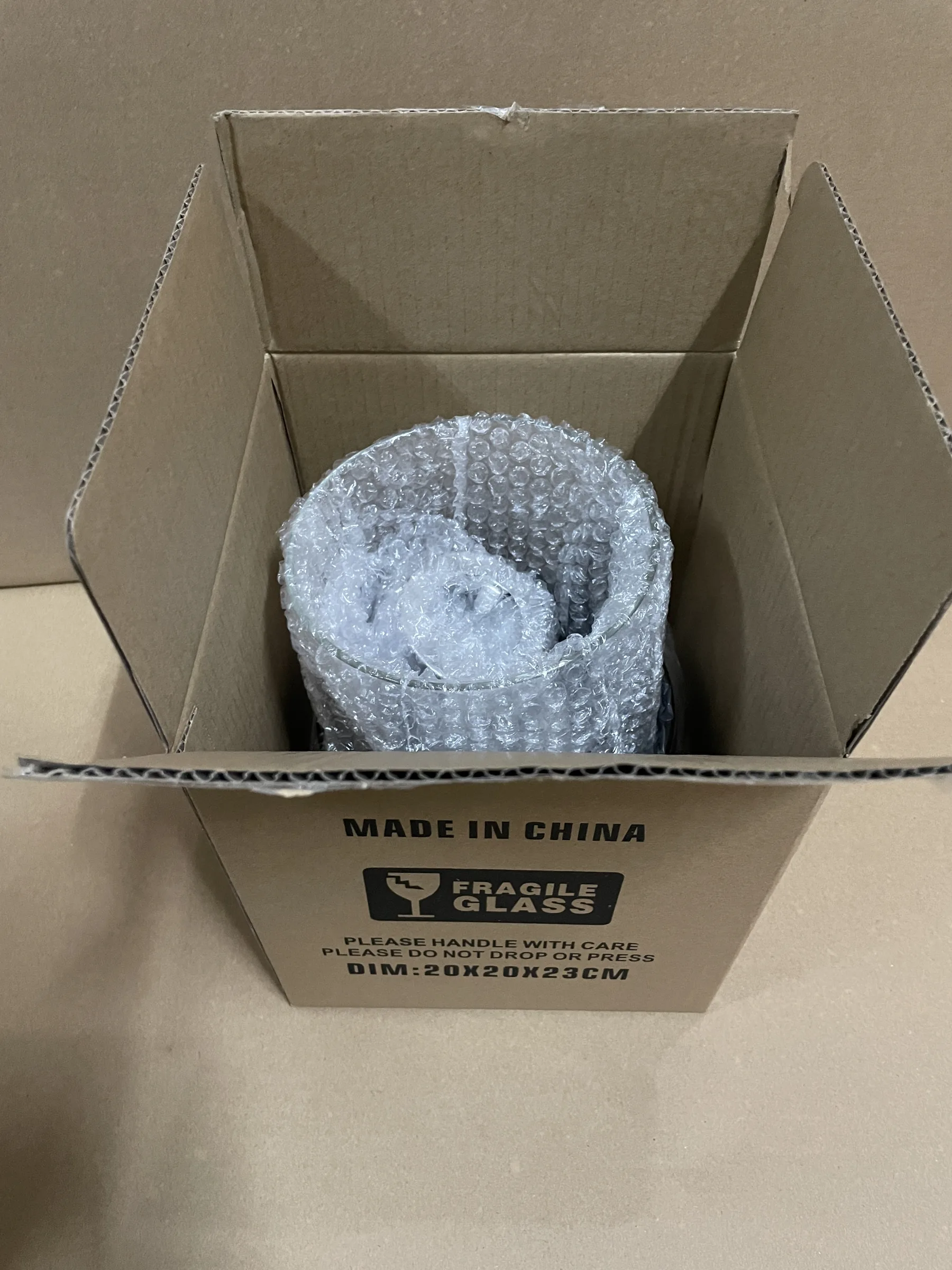
Packaging can change the scope even when the fireplace itself is unchanged. Define the individual carton, internal protection, instruction sheet, accessory placement, carton marks and any retail artwork. For master cartons, request the unit count, outside dimensions and gross weight. State whether a pallet or other shipping preparation is required and who prices it.
Compare the intended distribution route. Bulk delivery to a distributor’s warehouse and individual parcel fulfillment may involve different handling arrangements. Do not assume that a standard carton has been evaluated for every route. If transport testing or packaging development is part of the project, describe the requested work and ask for its price, schedule and deliverable.
Check whether the quoted printing is a plain carton mark, a branded retail box or a separate sleeve. Ask who supplies the print-ready files and whether the setup charge is included. A low per-unit packaging figure can be misleading when a minimum print run leaves the buyer responsible for unused cartons. Record ownership and storage arrangements for any excess packaging.
HND’s customized packaging service is a starting point for discussing these requirements. The quotation should identify the particular arrangement proposed for your product and order; a service page alone does not confirm which packaging or testing is included.
5. Separate one-time charges from repeat-order costs
Create one section for recurring supply and another for development or setup. Recurring supply may include the fireplace, agreed accessories, unit packaging and repeat-order printing. Development may include sample work, tooling, artwork setup or a specifically commissioned review. Ask the supplier to classify each charge instead of making assumptions from its name.
Show both the cash required for the first order and the comparable recurring unit cost. Dividing a development charge by the first order quantity is useful for planning, but it does not turn that charge into a permanent unit price. Equally, spreading it across an uncommitted future volume can make the launch economics look artificially attractive.
For tooling, ask what the charge covers, who controls the tool, how modifications are handled and what happens if the project stops. For samples, distinguish a sample fee from freight, revisions and any separately commissioned testing. A possible credit against a future order should remain a conditional credit until its amount and conditions are confirmed.
Use the same treatment for all offers. If one supplier includes a setup charge in its first-order price and another itemizes it, put both on a common basis. Your comparison can then explain whether a difference comes from the product, order size, development scope or accounting presentation.
6. Put logistics offers on the same basis
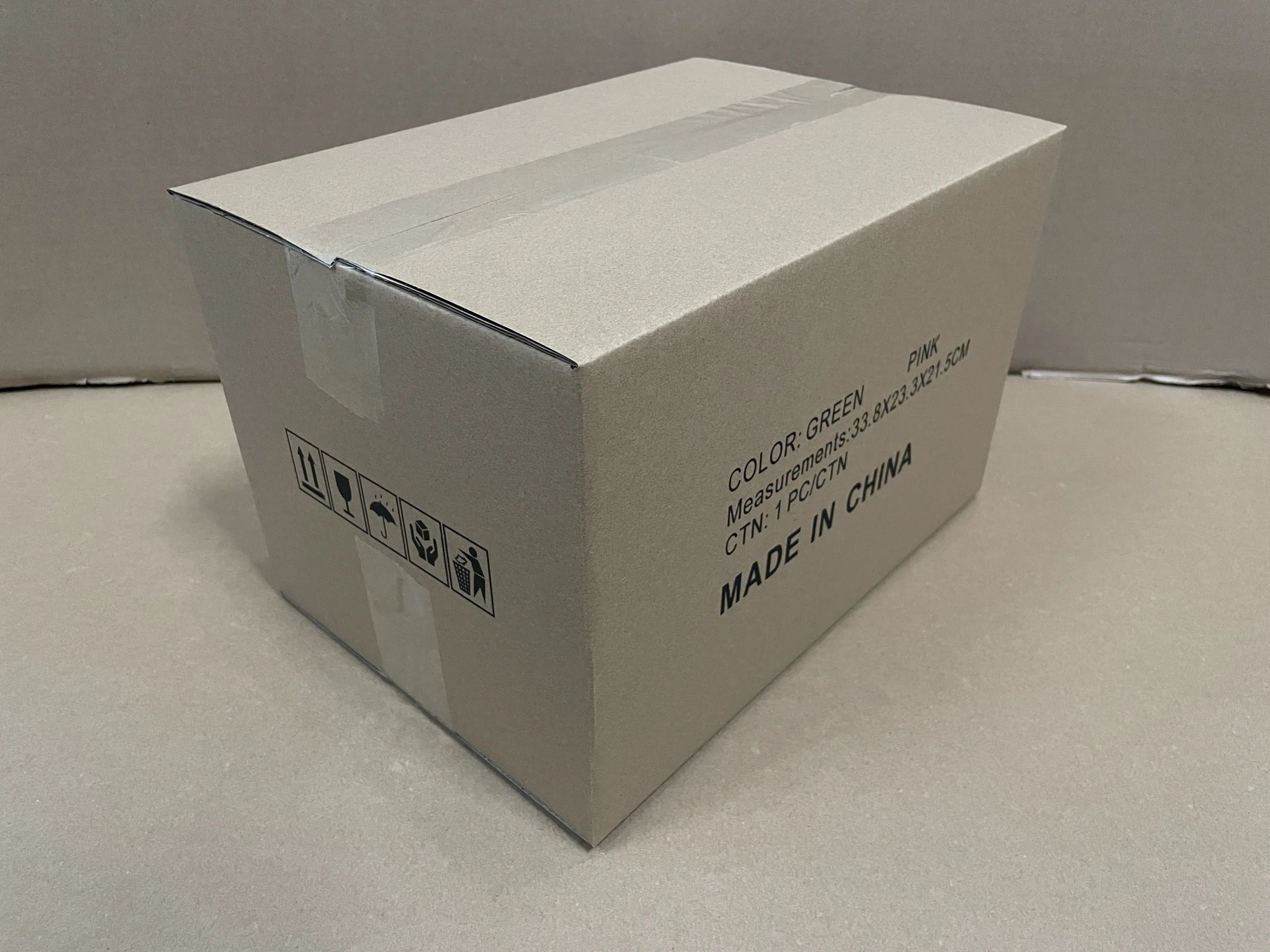
Record the Incoterms rule together with its named place or port and edition. The ICC’s Incoterms 2020 guidance explains that these rules allocate costs, risks and responsibilities. Three letters without a precise location leave an important part of the quotation unclear.
Ask a freight forwarder or other responsible service provider to help normalize offers that end at different points. List what is already included before adding another estimate, so the same transport charge is not counted twice. Keep the provider, quotation date, validity period, shipment assumptions and destination together with the estimate.
The International Trade Administration’s landed-cost guidance distinguishes the product price from the wider delivered cost, which can include freight, insurance, tariffs, taxes and other fees. It also recommends treating landed costs as estimates. Obtain current destination-specific figures from the responsible specialists rather than copying a generic rate into every comparison.
Do not convert unknown destination charges into zero. Show “estimate pending” and explain whether the missing figure could affect the ranking. Keep this logistics comparison separate from product acceptance: a convenient delivery offer cannot compensate for an unresolved product configuration or missing required documentation.
7. Work through a clearly labeled numerical example
The following figures are invented solely to demonstrate the method. They are not HND prices, market benchmarks or a landed-cost quotation. Assume the buyer is comparing 500 units against one agreed specification. Freight, insurance, duties, taxes, destination charges and any other unlisted costs are excluded from this example.
| Line | Offer A | Offer B |
|---|---|---|
| Headline product price per unit | $20.00 | $22.00 |
| Required packaging per unit | $1.50 additional | Included |
| Required accessory per unit | $1.00 additional | Included |
| Comparable recurring unit cost | $22.50 | $22.00 |
| One-time setup charge | $200 | $400 |
| First-order subtotal | $11,450 | $11,400 |
Offer A’s subtotal is 500 × ($20.00 + $1.50 + $1.00) + $200 = $11,450. Offer B’s subtotal is 500 × $22.00 + $400 = $11,400. The apparently cheaper headline offer is $50 higher after the stated scope adjustments. Neither result proves that one supplier is better; it shows why the headline product price is an incomplete comparison.
The same example also separates launch cost from recurring cost. If no setup charge recurs and the configuration and prices remain unchanged, the recurring difference would be $0.50 per unit. Those conditions must be confirmed before applying that difference to a future order. Do not assume repeat-order pricing, volumes or commercial terms from the first quotation.
Run a second scenario only when an unresolved variable matters. For instance, show the effect of a confirmed alternative packaging option. Keep each scenario labeled and preserve the original offer. Avoid invented defect percentages or speculative loss estimates that imply a supplier-specific risk without evidence.
8. Keep acceptance requirements outside the price ranking
Build a separate acceptance checklist for the requirements that must be resolved before the project advances. This can include the correct product identity, agreed documentation scope, sample evaluation, artwork approval and the responsibilities for any necessary specialist review. A supplier should not gain a favorable score merely because an unresolved item has been assigned a small budget allowance.
Where testing, certification or other market documentation is relevant, request the actual documents for the configuration and destination concerned. Record whether existing evidence is being supplied or new work is being quoted. Do not treat a general certificate, an attractive photograph or a line reading “compliant” as confirmation that every order requirement has been met.
The quotation comparison ends with a commercial recommendation and an open-issues list. It does not authorize mass production. Use a separate sample approval checklist when the final configuration, packaging and supporting files are ready for that decision.
9. Send one clarification request and compare revised offers
Consolidate questions before returning to suppliers. Scattered messages about price, packing and artwork can produce answers that refer to different versions. Send one numbered clarification list with the comparison brief attached. Ask each supplier to return a revised quotation with its assumptions and deviations stated clearly.
- Confirm the exact model, configuration, quantity mix and specification revision.
- Identify every accessory and printed item included per packed unit.
- Separate recurring costs, one-time charges and optional alternatives.
- Confirm carton data and distinguish preliminary figures from final packing data.
- State the delivery rule, named place, edition, currency and quotation validity.
- List excluded services, buyer responsibilities and unresolved review items.
- Explain the payment milestones and the events that start the proposed production schedule.
Close each question against a written answer. If a revised offer changes a model, material, packaging format or commercial condition, flag the change for the relevant reviewer. A purchasing decision should not depend on one person remembering a conversation that is absent from the order file.
For a custom project, discuss the required configuration through HND’s customization service. When ready for a comparable offer, send HND your product brief and quotation checklist, including the target market, quantities, packaging requirements and delivery destination. Ask for a dated, itemized response with deviations and exclusions stated explicitly.
Frequently asked questions
Should the lowest unit price win?
Only compare prices after the offers meet the same agreed scope and acceptance conditions. The lowest headline price may exclude required packaging, accessories or work. Normalize the known costs first, identify unresolved items and document the reason for the final recommendation.
Can I compare quotations with different Incoterms rules?
Yes, but first make the delivery endpoints and included services explicit. Obtain the missing logistics estimates from an appropriate provider and avoid double counting. Preserve the original rules and locations in the comparison so the adjustments remain traceable.
How should I handle a blank quotation line?
Mark it as clarification required. A blank might mean included, excluded, not applicable or simply overlooked. Ask the supplier to classify it and, when necessary, provide the additional price. Do not let spreadsheet formulas silently treat every blank as zero.
Should tooling be included in the unit cost?
Show the tooling charge separately, then calculate a first-order allocation if it helps planning. Also show recurring supply costs without that allocation. Confirm ownership, revision and repeat-order conditions; do not spread the cost across future orders that have not been committed.
Does a packaging photograph prove that the quotation includes that package?
No. Ask for a written packing specification linked to the quotation. Photographs help explain the arrangement, while the specification identifies included materials, quantities and artwork. Any requested transport evaluation should have its own agreed scope and evidence.
What if a supplier proposes a different configuration?
Keep it as a separately identified alternative and describe the differences. Have the product owner evaluate those differences before comparing the price with the baseline. A lower-cost alternative is useful only when its changed scope is understood and accepted.
What is the final output of a good quotation comparison?
A dated comparison matrix, the suppliers’ revised offers, a record of assumptions and exclusions, an open-issues list and a recommended next step. The next step may be clarification, sample evaluation or further development. Commercial comparison alone is not production approval.
Sources
- International Chamber of Commerce: Incoterms 2020 — the official framework for trade-term costs, risks and responsibilities.
- International Trade Administration: Determine Total Export Price — components and estimation of landed cost.
The comparison matrix and numerical example are editorial procurement tools. Confirm the actual product, commercial terms and destination requirements for each project.