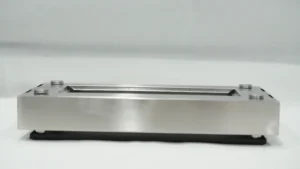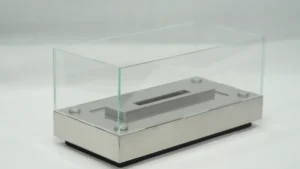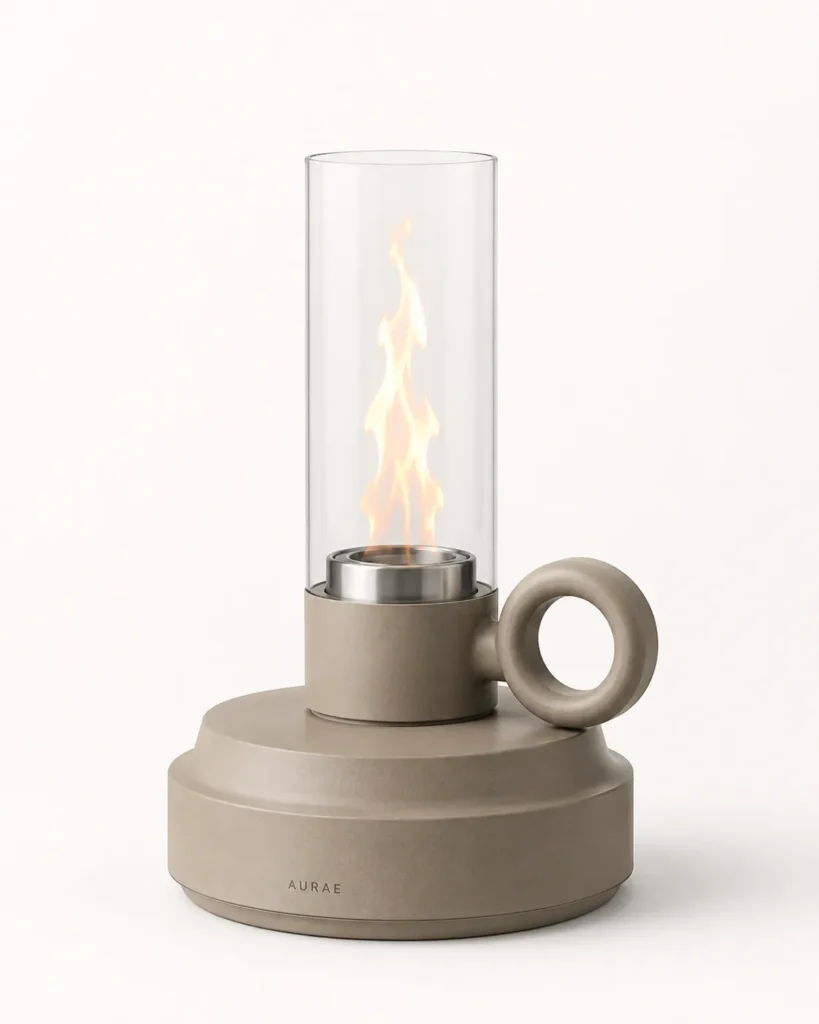
After comparing fuel categories, buyers should also compare physical formats before building the next assortment. HND has published a format-level comparison of tabletop, freestanding and wall-mounted ethanol fireplaces for teams deciding whether compact tabletop models, larger freestanding products or more controlled wall-mounted designs fit their channel best.
Quick answer for B2B buyers
For most importers, distributors, retailers and private-label brands, the ethanol vs electric fireplace decision is not a simple fuel preference. It is a product-category decision that affects display strategy, certification review, logistics, after-sales questions, and the type of customer experience your channel can credibly sell. Ethanol fireplaces are often strongest when the buyer wants a real decorative flame, portable placement, premium tabletop presentation and OEM or packaging flexibility. Electric fireplaces are often stronger when the channel needs plug-in heating, predictable indoor use and no liquid fuel education. Gel fireplaces can look convenient, but they usually require tighter fuel-canister supply planning and careful safety messaging, which can limit assortment depth for B2B programs.
A practical sourcing answer is to choose the type that matches the channel role first, then verify safety design, market rules, packaging, instructions and sample performance before committing to a range. If your business is building a compact decor, hospitality, gift, outdoor-living or private-label tabletop line, ethanol deserves serious evaluation. If your business is selling room-heating appliances, electric may fit better. If your business cannot control fuel availability, refuelling instructions and warning communication, gel should be treated cautiously rather than added only because the product looks simple.
Why this comparison matters before sourcing
B2B buyers often compare fireplace categories too late. The first round of supplier messages may focus on unit price, MOQ, carton size and product photos. Those questions are necessary, but they do not reveal whether the category will work in a retailer assortment, distributor catalogue, hospitality project or private-label program. A tabletop ethanol fireplace, an electric fireplace and a gel fireplace may all create a visible flame or flame effect, but they belong to different buying conversations.
The category decision affects where the product can be displayed, how staff must explain it, what safety documents a buyer should request, how packaging must be written, how freight is calculated, and whether a repeat order depends on accessory fuel sales. It also affects marketing tone. Ethanol and gel products are normally sold around real flame ambience, portability and decorative use. Electric fireplaces are usually sold around convenience, plug-in operation, simulated flame effects and sometimes supplemental heat. A buyer who treats all three as interchangeable may create a range that looks attractive in a spreadsheet but becomes difficult to sell, explain or support.
For HND Fireplace buyers, this comparison is most useful as an early category filter. A retailer may use it before adding tabletop ethanol models to a home decor or outdoor-living range. An importer may use it before requesting samples from factories. A brand may use it before deciding whether a private-label line should be based on existing models, custom finishes, custom packaging, or a deeper design project. The right answer is rarely “ethanol is always best” or “electric is always safer.” The right answer is the type that fits the buyer’s market, operating model and verification capacity.
What buyers usually find during early comparisons
During early online comparisons, ethanol, electric and gel fireplace information is often broad and consumer-oriented. Many guides explain installation, running cost, appearance, heat output and maintenance for homeowners. Marketplace and retail pages show product availability, while safety pages focus on specific hazards or standards. B2B buyers need to translate that scattered information into assortment planning, supplier qualification and procurement risk.
The most useful B2B interpretation is not just whether one fireplace type feels more convenient. Importers need to know which type can be sourced consistently. Distributors need to know whether the product can be explained by dealers without creating safety misunderstandings. Retailers need to know how the item will sit in a store, online catalogue or seasonal display. Product managers need to know whether a category can support multiple sizes, finishes, packaging routes and future SKUs.
Category comparison table
| Decision factor | Ethanol fireplace | Electric fireplace | Gel fireplace | B2B implication |
|---|---|---|---|---|
| Flame experience | Real open flame from alcohol fuel, often chosen for ambience and tabletop display. | Simulated flame effect with plug-in operation; heat may be included depending on model. | Real flame from gel cans or gel fuel formats. | Choose based on whether the channel sells real-flame ambience or appliance-style convenience. |
| Installation and placement | Often portable and flueless, but placement, stability, ventilation and refuelling instructions matter. | Needs electrical access and appliance safety review; usually easier to explain for indoor plug-in use. | Portable in appearance, but fuel storage and canister supply can complicate the offer. | The simpler the channel training, the more important instructions and packaging become. |
| Assortment flexibility | Strong for tabletop, desktop, hospitality, decor and private-label styling. | Strong for wall, mantel, insert and heater-style formats. | Usually narrower for canister-dependent tabletop or decorative items. | Ethanol can work well for compact ranges; electric may need larger appliance positioning. |
| Safety review focus | Burner structure, stability, fuel capacity, refuelling, warnings and market-specific standards. | Electrical certification, heater clearances, overheating protection, cord and plug requirements. | Fuel canister integrity, flame control, refill behaviour, warning language and consumer misuse risk. | Do not approve samples from photos alone; test the use scenario and request documents. |
| Logistics and packaging | Product is usually shipped without fuel; packaging must explain fuel and use limits clearly. | Often larger and heavier, with electrical components and appliance-style cartons. | Fuel availability and replacement canisters may affect ongoing sales. | Landed cost is not only unit price; carton size, damage risk and support cost matter. |
| Best-fit B2B role | Premium decor, tabletop collections, private label, hospitality display and compact wholesale ranges. | Heating appliance, home improvement, plug-in convenience and larger installed-looking categories. | Niche decorative flame where fuel supply and safety communication are controlled. | Match the product to the buyer’s channel promise before requesting a quote. |
When ethanol fireplaces fit the market
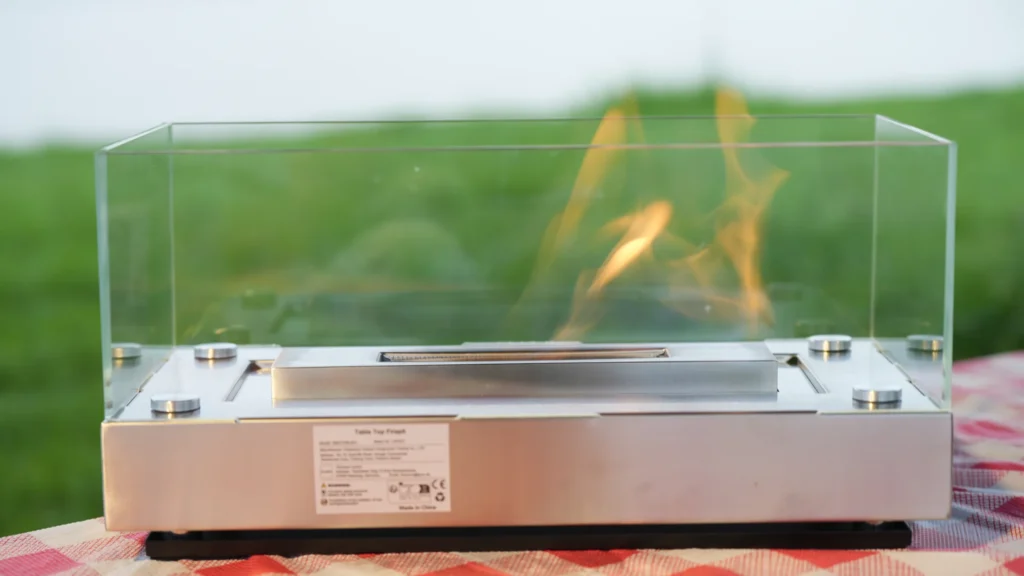
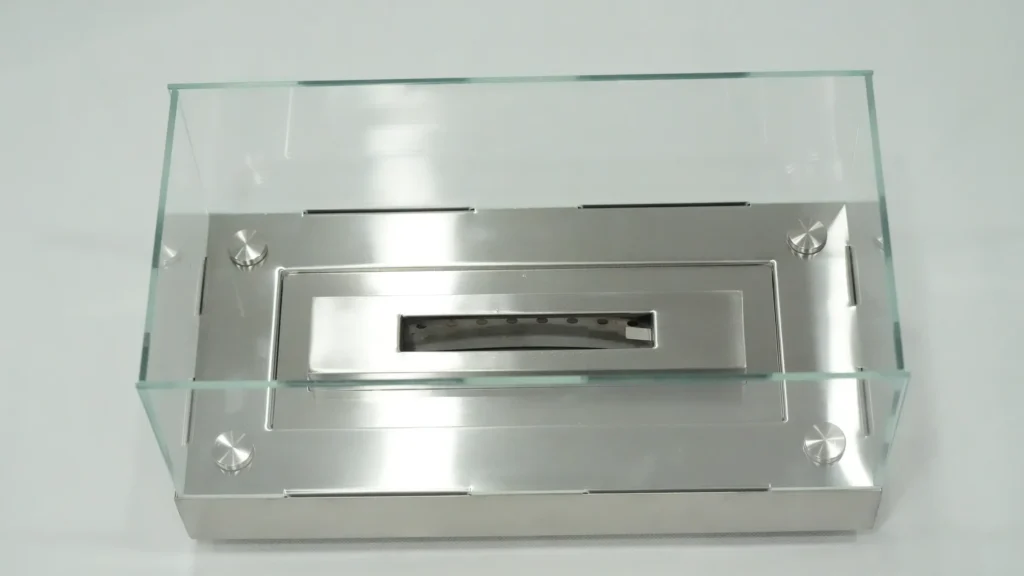
Ethanol fireplaces fit best when the buyer wants a real flame product that can be merchandised as decor, atmosphere and compact premium display rather than as a primary heating appliance. For tabletop and desktop formats, ethanol can give a buyer a strong visual product without the installation path of traditional fireplaces. That is why it can work for home decor retailers, hospitality suppliers, gift and lifestyle channels, outdoor-living assortments, design-led wholesalers and brands that want a private-label tabletop line.
The main B2B advantage is range flexibility. A buyer can evaluate different body shapes, glass treatments, stainless steel details, powder-coated finishes, packaging styles and price tiers without immediately committing to a large installed appliance program. This supports the product-range logic discussed in HND’s tabletop ethanol fireplace product range guide. A category manager can begin with a small range, test channel response, refine packaging and then decide whether to expand into more custom work.
Ethanol also fits private-label programs because the product presentation can be adjusted through visible finish, logo placement, gift box design, instruction layout and SKU architecture. Buyers who are exploring this route should review HND’s customized fireplace service, logo engraving option and customized packaging support before deciding whether an existing model or a modified model is enough.
However, ethanol is not a low-attention category. Real flame creates real safety responsibilities. Buyers need to review burner design, fuel capacity, stability, instructions, warning language, sample behaviour, packaging clarity and market-specific rules. Australia’s Product Safety guidance for decorative alcohol fuelled devices, for example, treats tabletop devices as one of the common types and describes requirements around design, stability, refuelling and warnings. BSI’s BS EN 16647-1 record also shows that alcohol-powered flueless fireplaces are handled through a safety-requirements and test-methods framework. These sources do not prove any individual product is compliant; they show why buyers should ask for evidence rather than accept generic claims.
When electric fireplaces fit better
Electric fireplaces fit better when the buyer’s channel is built around plug-in convenience, indoor appliance positioning and supplemental heating expectations. A customer can often understand the basic use case quickly: place or install the product as instructed, plug it in, and operate the flame effect or heater function. For many home-improvement channels, this simplicity is commercially valuable.
The trade-off is that electric fireplaces are not simply “easier” from a procurement standpoint. They shift the verification burden toward electrical safety, plugs, cords, voltage, heater components, overheating protection, instructions and market approvals. A buyer must confirm the destination market’s electrical requirements and should not treat a supplier’s generic certificate list as enough. NFPA heating-safety guidance also reinforces that portable electric heaters need clear spacing and use instructions. That matters for retailers because after-sales questions can be frequent when buyers sell products that generate heat or connect to power.
Electric fireplaces may also create different assortment economics. Wall-mounted, mantel, insert and larger freestanding formats often require more carton volume, more warehouse space and different damage-control packaging. They can be excellent products for appliance, home-improvement and installed-look channels, but they may be less efficient for a compact tabletop decor range. If your business is building a first test order, it may be easier to validate tabletop ethanol models in a smaller footprint than to carry several large electric SKUs, but the right decision depends on your channel, freight economics and target price tier.
Where gel fireplaces can make sense
Gel fireplaces can appear attractive because they provide a real flame experience and may use contained gel fuel formats. In some retail contexts, that can make the customer story feel simple. The buyer can sell a fireplace body together with compatible fuel cans or replacement fuel packs. For niche gifting, seasonal displays or controlled hospitality use, gel can be part of a decorative-flame assortment.
For B2B buyers, the limitations deserve careful attention. A gel fireplace program may depend on reliable fuel availability, compatible canister dimensions, local fuel rules, storage requirements and clear replacement instructions. If the fireplace body is easy to source but the fuel supply is inconsistent, the repeat-order economics may disappoint. If staff cannot explain correct fuel use, the product can create avoidable support and safety issues. The CPSC warning listing for some liquid-burning tabletop fire pits is a reminder that alcohol flame products can create serious burn hazards when fuel handling and product design are wrong. Buyers should use that as a reason to inspect sample structure and instructions carefully, not as a reason to assume every product in the category is the same.
Gel can therefore make sense only when the buyer has a controlled plan for fuel, packaging, instructions and after-sales support. If that plan is weak, a well-designed ethanol tabletop range or a plug-in electric range may be easier to manage.
How to choose by channel role
Retail and home decor channels
Retail and home decor buyers should begin with merchandising. If the range needs a compact premium item that can sit in a decor display, tabletop ethanol often fits the visual role better than electric. The product can be presented as a design object, a table feature or a portable ambience product. That positioning should be supported by strong packaging, clear safety language and accurate imagery.
If the retailer’s customers are primarily asking for heat output, remote controls, plug-in operation or a traditional fireplace look, electric may be a more natural fit. Gel may work for seasonal or gift areas only when the fuel story is straightforward. For retail channels, the question is not “which type is popular?” It is “which type can staff explain, customers understand and packaging support without confusion?”
Importers and distributors
Importers and distributors need to think beyond the first order. Ethanol products may support a staged program: start with existing tabletop models, test several shapes and finishes, then move into private-label packaging or custom details if the sell-through is strong. The buyer can connect this path to HND’s bulk export service and wholesale tabletop ethanol fireplace sourcing guide.
Electric fireplace distribution may require a stronger appliance compliance and service framework. Importers must understand plug standards, labels, warranty handling and replacement-part expectations. Gel fireplace distribution may require attention to ongoing fuel compatibility and supply. A distributor should therefore score each type by repeat-order feasibility, not just first-order margin.
Private-label brands
Private-label brands should ask where they can create defensible differentiation. Ethanol tabletop fireplaces can be differentiated through design language, surface finish, glass proportion, logo placement, manual style, packaging and SKU grouping. Electric fireplaces can be differentiated through features, controls, form factor and appliance finish, but development may involve more electrical engineering and certification work. Gel fireplaces can be differentiated through kits and fuel programs, but they may be less flexible if the fuel format drives the product experience.
A brand that wants to test a premium tabletop category without deep tooling may begin with an existing ethanol model and invest in packaging, instruction quality and finish selection. A brand that already operates in electrical home products may prefer electric because its existing compliance and support systems are better aligned. The decision should match the brand’s operational strengths, not only the product photo.
Hospitality and commercial buyers
Hospitality buyers often care about atmosphere, table presentation, portability and maintenance. Ethanol tabletop products can fit restaurants, lounges, spas, event spaces and boutique hospitality displays when the buyer has a clear operating procedure and staff training. Electric products may be more suitable for fixed indoor lounge areas where plug-in operation is preferred. Gel products may be workable for controlled event use, but the fuel logistics and replacement procedures must be clear.
Commercial buyers should also think about liability and documentation. The supplier should provide product information, operating instructions and packaging files that can be reviewed before approval. If the project requires special sizing, finish or branding, HND’s custom cutting and styling and custom molding pages explain relevant development routes.
A practical decision framework
Use a weighted scorecard before requesting samples. The scorecard does not need to be complicated, but it should force the buyer to separate product appeal from operational fit. Score each category from one to five against the criteria below, then discuss the weak points before deciding what to sample.
- Channel fit: Does the type match the buyer’s retail, distributor, hospitality or private-label role?
- Customer explanation: Can sales staff explain correct use without long technical training?
- Safety verification: Can the supplier provide relevant design details, test references, warnings and instructions for review?
- Assortment depth: Can the category support enough SKUs without confusing the buyer or customer?
- Packaging clarity: Can the package communicate use limits, fuel or electrical requirements, warnings and brand positioning?
- Logistics: Are carton size, weight, breakage risk and fuel restrictions manageable?
- After-sales burden: What questions, replacement parts, fuel issues or service claims are likely after purchase?
- Customization potential: Can the type support the brand’s required finish, logo, packaging and future product roadmap?
If ethanol scores high on channel fit, assortment depth and customization, but lower on safety communication, the next step is not to reject the category. The next step is to request better sample documentation, clearer warnings, packaging review and controlled sample testing. If electric scores high on customer explanation but low on logistics and price positioning, the buyer may keep electric for a different range and use ethanol for compact tabletop displays. If gel scores low on fuel supply or after-sales burden, it should not be forced into the range merely because the first sample looks attractive.
What to request from suppliers before sampling
Once the preferred direction is clear, buyers should request different information for each product type. For ethanol, ask for product dimensions, material details, burner structure, fuel capacity information, instructions, warning label files, packaging structure, available finishes, sample lead time and any market-relevant safety documentation. Also ask whether the product is normally shipped without fuel and how the package explains compatible fuel.
For electric fireplaces, request voltage, plug type, heater rating if applicable, electrical safety documentation, cord details, control method, packaging drop-test information if available, spare-part policy and instruction manuals. If the destination market has specific electrical certification requirements, confirm them before sample approval. For gel fireplaces, request fuel-canister compatibility, fuel supplier assumptions, warnings, storage guidance, replacement fuel availability and clear instructions on what fuel must not be used.
Do not approve a category based on one attractive sample photo. A buyer should light, operate, cool, clean, pack and repack the sample in the way a real customer would use it. The buyer should review whether the table surface, glass, burner, metal body, finish and instructions still make sense after use. The sample process is also the right time to confirm whether the product belongs in a broad range, a limited test, a private-label project or a future development plan.
How ethanol can move buyers through the funnel
For a TOFU category decision, the CTA should not push every reader directly into a purchase order. Many buyers are still deciding whether tabletop ethanol belongs in the range at all. A better first action is to review available models, compare formats and ask what can be customized. That is why this article points buyers toward product exploration and capability review rather than only a quotation form.
A buyer who is still evaluating category fit can begin with the HND product range, then compare service options such as customization, packaging and logo engraving. A buyer who has already decided to source can move to RFQ preparation through the wholesale sourcing guide. A buyer who needs proof of company background can review HND’s manufacturing background and certificates and accreditations page, while remembering that any destination-market compliance question still needs product-specific confirmation.
Common mistakes when comparing fireplace types
- Comparing only unit price while ignoring carton volume, documentation, fuel education and after-sales cost.
- Treating ethanol, gel and electric fireplaces as the same category because they all create ambience.
- Assuming a supplier’s general certificate list applies to the exact sample and destination market.
- Choosing gel without a clear plan for replacement fuel availability and customer instructions.
- Choosing electric for a compact decor range when the channel actually needs tabletop portability and visual differentiation.
- Choosing ethanol without reviewing burner design, stability, refuelling warnings and packaging language.
- Building too many SKUs before the first market test proves which size, finish and price tier customers understand.
The best buyers slow down at the category stage so the sample stage becomes more productive. They decide what each fireplace type is supposed to do for the business, then use supplier conversations to test that assumption. This creates a cleaner path from category evaluation to product range planning, sample approval and wholesale sourcing.
Explore ethanol fireplace product options
If your business is comparing ethanol vs electric fireplace options for a retail, wholesale, hospitality or private-label range, HND can help you evaluate tabletop ethanol models, finishes, packaging and customization routes. Start by reviewing available ethanol fireplace products, then share your target market, channel, expected price tier, packaging needs and sample requirements through the contact page. A focused brief makes it easier to recommend whether an existing model, custom finish, custom packaging or deeper development route is the right next step.
FAQs
Are ethanol fireplaces better than electric fireplaces for retailers?
Ethanol fireplaces can be better for retailers that want real flame ambience, compact tabletop display, premium decor positioning and private-label flexibility. Electric fireplaces can be better when the channel sells plug-in convenience, simulated flame effects or supplemental heating. The better choice depends on customer expectation, store format, safety documentation and support capacity.
Is a gel fireplace the same as an ethanol fireplace?
No. Both can involve alcohol-based real flame, but the product structure and fuel format can differ. Gel products often depend on compatible fuel cans or gel fuel supply, while ethanol tabletop fireplaces commonly use a burner or fuel reservoir designed for liquid bioethanol. Buyers should verify the exact fuel, instructions and market requirements before comparing them.
Which fireplace type is easiest to customize?
For compact tabletop programs, ethanol fireplaces often provide strong customization options through body shape, finish, glass, logo placement, instruction design and packaging. Electric fireplaces can also be customized, but changes may involve more electrical design, components and certification review. Gel customization may be limited by fuel format and accessory supply.
Do ethanol fireplaces require a chimney?
Tabletop ethanol fireplaces are generally designed as flueless decorative products, but that does not remove the need for safe placement, ventilation awareness, stable construction, correct fuel use and clear warnings. Buyers should request product-specific instructions and review destination-market requirements before selling.
What should a buyer check before ordering samples?
Before ordering samples, buyers should confirm the intended channel role, target price tier, product dimensions, material and finish requirements, packaging expectations, safety documentation needs, destination market and first-order assumptions. This prevents a supplier from sending attractive samples that do not match the real buying decision.
Can HND support private-label ethanol fireplace projects?
HND presents services for customization, cutting and styling, molding, logo engraving, customized packaging and bulk export. Buyers should still share specific requirements so the right route can be discussed: existing model, modified model, custom packaging, or a deeper development project.
What is the safest fireplace type for B2B buyers?
Safety cannot be decided by type name alone. Electric products require electrical and heater safety review. Ethanol and gel products require flame, fuel, stability, refuelling, warning and instruction review. The safer sourcing decision is the one with clear product design, reliable documentation, correct packaging and market-appropriate user guidance.