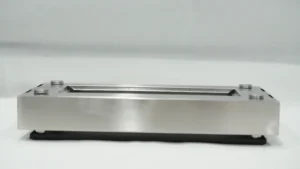
Quick Answer: for EU-facing sourcing work, the first question is no longer only “does this ethanol fireplace mention EN 16647?” It is whether the product is manually operated or automatically operated. Manual decorative alcohol fireplaces are the scope of EN 16647-1:2025, the Part 1 standard for manually operated decorative fireplaces for domestic use. Automatic decorative alcohol fireplaces are handled by the separate Part 2 track, EN 16647-2:2026, which the checked CEN catalogue source listed as not yet published with a publication date of 25 August 2026 as of 22 August 2026. For importers, distributors, retailers, and hospitality buyers, that split changes how you screen quotations, review test reports, brief suppliers, and prevent a manual product report from being used to support an automatic burner system it does not cover.
The practical point is simple: match the test evidence to the operating mode before you approve samples, packaging, instructions, or a purchase order. A tabletop unit with a wick or open reservoir that the user fills, lights, and extinguishes by hand is not the same compliance object as an electronically controlled fireplace with automatic filling, ignition, sensors, and shutdown logic. Both may burn liquid alcohol for a decorative flame, but the hazards, control measures, documentation, and test evidence are not identical. This article gives sourcing teams a decision framework for the manual vs automatic ethanol fireplace standard question before RFQ.
Why the EN 16647 Split Matters to Buyers
Many commercial discussions still use “EN 16647” as a short label. That shorthand was easier when buyers were talking mainly about the 2015 edition. It is now risky because the standard family has moved toward separate treatment for manual and automatic operation. The official Part 1 information describes manually operated decorative alcohol fireplaces for domestic use. It applies where the user manually interacts with ignition, filling, refilling, or extinguishing. The Part 2 information describes automatically operated decorative fireplaces that do not require manual user interaction during normal operation and include electric or electronic components that control basic operation.
For a B2B buyer, the split is not a technicality. It affects the scope page of the test report, the product description, the sample that the laboratory saw, the installation instructions, the warnings, the user manual, and the product claims that sales teams can safely make. If the quote says “automatic ethanol fireplace” but the attached report only describes a manually operated tabletop burner, the buyer has a scope mismatch. That mismatch can travel quietly into marketplace listings, customs documentation, retail packaging, or a hotel project submittal unless it is caught early.
HND’s existing EN 16647-1 tabletop ethanol fireplace guide explains the manual Part 1 topic in more depth. This article stays at the sourcing layer: how to decide which path applies and what evidence should be requested before sampling.
What Counts as a Manual Ethanol Fireplace?
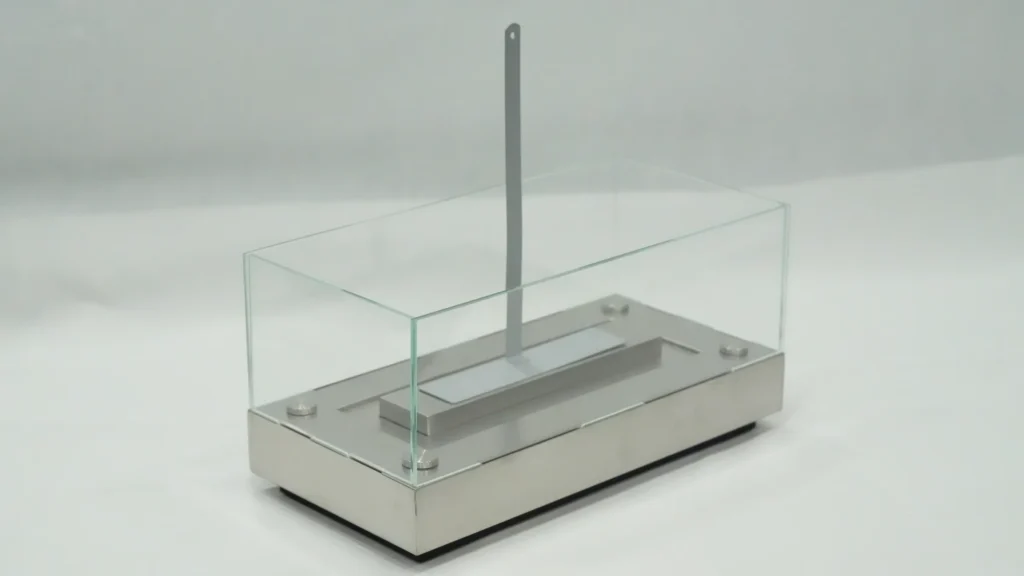
A manual ethanol fireplace is a decorative alcohol fireplace where essential operation depends on direct user action. The buyer or end user fills the burner, lights it, manages normal operation according to the instructions, and extinguishes the flame manually. EN 16647-1:2025 covers decorative fireplaces that produce a flame using liquid alcohol fuel and are free-standing, wall-mounted, or built-in. It also points to ready-for-use products where the fuel box is one unit or an integral component of the fireplace.
This manual category can include compact tabletop models, stainless steel tabletop fireplaces with glass guards, wall-mounted decorative units, and built-in decorative fireplaces, provided the scope conditions are met. The classification is not decided only by product shape. It is decided by how the user interacts with fuel, ignition, refilling, and extinguishing. A product can include some electric or electronic components and still sit in the manual scope if those components do not turn normal operation into an automatic controlled system.
Buyers should pay close attention to exclusions. The Part 1 scope information excludes fireplaces with separate fuel tanks, appliances designed for heating food or keeping food warm, products for boats, caravans, vehicles, or outdoor areas, fireplaces with a defined heating function, and fireplaces above the stated 4.5 kW output threshold. National rules may also set stricter limits. That means a buyer cannot assume that every ethanol flame product belongs in the same standard path.
What Counts as an Automatic Ethanol Fireplace?
An automatic ethanol fireplace is not simply a premium manual burner with a better finish. The Part 2 scope is directed at decorative fireplaces that do not require manual user interaction during normal operation and that use electric or electronic components to control the basic operation. The CEN catalogue text for EN 16647-2:2026 refers to automatic filling systems and control functions intended to avoid hazards such as fuel spillage while filling, overfilling, fuel explosion while igniting, accidental ignition while refilling, overheating, and unsuccessful extinguishing.
That language shows why buyers should not treat automatic products as a cosmetic upgrade. Automation adds new control points. It may reduce some manual handling risks, but it also adds electrical components, sensors, safety circuits, flame supervision, pumps, wiring, control boards, and software-dependent operation. The supplier evidence should therefore describe the automatic product as tested, not only the burner tray, shell, or manual equivalent.
As of 22 August 2026, the checked CEN catalogue page listed EN 16647-2:2026 as not published, with a future publication date of 25 August 2026. Buyers should therefore confirm the live status with their test laboratory, national standards body, notified compliance advisor, or local regulator before making claims on packaging or marketplace listings. The sourcing rule remains useful today: do not let automatic product claims rely on manual-only evidence without written confirmation from a qualified test or compliance party.
Manual vs Automatic Scope Comparison
| Buyer question | Manual ethanol fireplace path | Automatic ethanol fireplace path | What to ask the supplier for |
|---|---|---|---|
| Who controls ignition and extinguishing? | User performs the operation manually according to instructions. | Electronic or electric systems control normal operation. | Operating description, user manual, and test report product description. |
| How is fuel handled? | User fills or refills the fuel box or integral burner manually. | Automatic filling or controlled fuel systems may be included. | Fuel system diagram, filling instructions, overfill protection evidence. |
| Which EN 16647 part is relevant? | EN 16647-1:2025 for manually operated decorative fireplaces, where scope fits. | EN 16647-2:2026 track for automatically operated decorative fireplaces, subject to live status and local adoption. | Scope page, standard edition, report date, tested model list, and lab confirmation. |
| What is the main sourcing risk? | Using vague “EN 16647” claims without checking exclusions and tested model identity. | Using manual test evidence for an automatic product with additional control hazards. | Model-level compliance matrix before sample approval. |
| What changes in packaging review? | Manual filling, refuelling, extinguishing, ventilation, placement, and warning text must match the product. | Warnings must also reflect controlled ignition, automatic systems, failure states, and maintenance limits. | Artwork proof, manual draft, rating plate, warning label, and translations. |
The Buyer Decision Framework
1. Classify the operating mode before price comparison
Do not compare a manual tabletop ethanol fireplace and an automatic burner on FOB price alone. Start with the operating mode. Ask whether the user manually fills, lights, refills, and extinguishes the product, or whether an electric or electronic system controls normal operation. If the supplier cannot answer clearly, the RFQ is not ready for compliance review.
This classification should be recorded in the product specification sheet. A short line is enough: “Manual decorative alcohol fireplace, EN 16647-1 scope to be confirmed” or “Automatic decorative alcohol fireplace, EN 16647-2 scope to be confirmed.” The key is to prevent later confusion between sales language and technical evidence.
2. Match the test report to the exact model and operating mode
A test report is only useful when it covers the product being purchased. Check the model number, photos, burner construction, fuel capacity, dimensions, glass guard, accessories, packaging, and user manual version. For manual products, make sure the report does not silently describe a different fuel box, frame, or ignition method. For automatic products, make sure the report addresses the controlled operating system and not only a manual burner component.
Buyers should request the scope page, model list, critical component list, test sample description, and issue date. If the supplier provides only a certificate screenshot, treat it as a lead, not a finished compliance file. HND keeps compliance discussions tied to the actual product configuration; buyers can review broader documentation signals on the certificates and accreditations page.
3. Separate decorative use from heating claims
The standards discussion is about decorative alcohol-powered flueless fireplaces. That distinction matters because many sales pages casually describe ethanol fireplaces as heating products. A product can produce heat as a combustion result, but a declared heating function can move the product outside the decorative scope described by Part 1. Buyers should ask suppliers to align catalogue copy, packaging, instructions, and marketplace text with the tested scope.
For importers and retailers, this is also an SEO and product listing issue. If the listing promises room heating performance that the standard path does not support, the claim can create regulatory and customer-service exposure. Keep the listing focused on decorative flame use unless a qualified compliance review supports stronger claims for the destination market.
4. Review refuelling and ventilation warnings as product evidence
Regulators and research organizations repeatedly focus on refuelling, flame control, stability, and indoor air. The European Commission’s safety history around alcohol-powered flueless fireplaces has emphasized fire and burn hazards. The ACCC’s product safety guidance for decorative alcohol fuelled devices highlights design, stability, refuelling, and warning requirements. Fraunhofer WKI research news notes that flueless ethanol appliances release combustion products into the room and that real-world emissions vary by device, fuel, combustion conditions, and ventilation.
Those points should not be turned into unsupported claims about a specific supplier. They should be used as a checklist. Does the manual explain when not to refill? Does it warn against refilling a hot appliance? Does it define safe placement? Does it explain ventilation expectations? Does it avoid suggesting use in enclosed, poorly ventilated spaces? Does the packaging match the manual? A clean compliance file is not only a lab report; it is also a consistent set of buyer-facing documents.
5. Confirm market-specific requirements before launch
EN standards are important references, but market access is still destination-specific. The same product can face different rules in the EU, UK, Australia, the Gulf, North America, or a hotel project governed by local fire rules. The ACCC example is useful because it shows a non-EU authority incorporating sections of EN 16647:2015 into a mandatory standard. It does not mean the Australian rule is identical to the EU path, and it does not mean a supplier can use one claim everywhere.
For a distributor, this means the buyer file should include target markets, product model, operating mode, standard edition, test report scope, label language, manual language, and responsibility for local legal review. For a hospitality buyer, it may also include venue fire-safety approval, insurance requirements, installation limitations, and maintenance controls.
What to Request Before Sampling
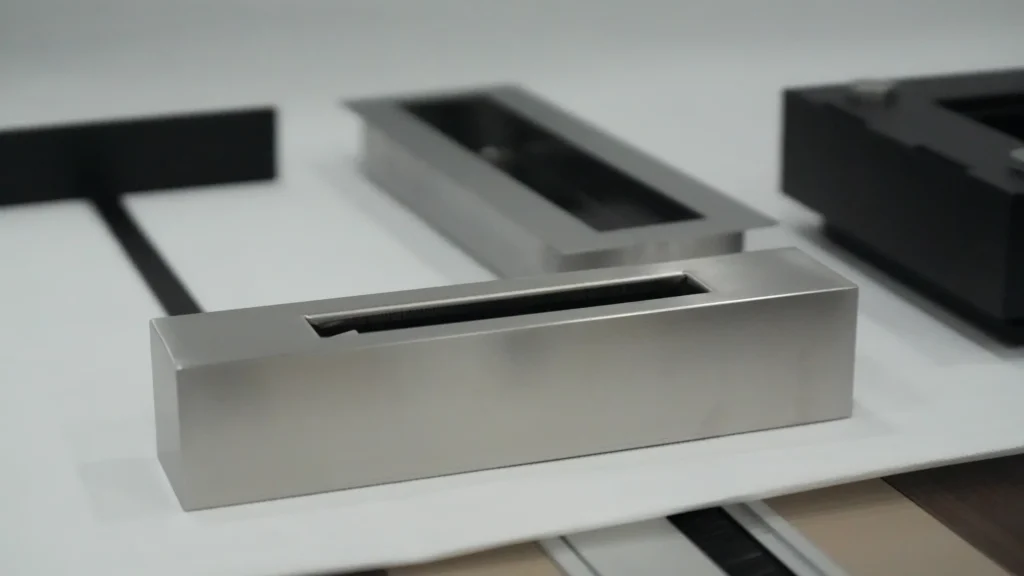
- Product specification sheet showing manual or automatic operating mode.
- Model list that matches the exact sample, size, burner, glass, finish, and fuel system.
- Applicable standard edition and part, including whether Part 1 or Part 2 is claimed.
- Scope pages of relevant test reports, not only certificate covers.
- User manual, warning label, packaging warning, and rating plate artwork.
- Fuel capacity, filling method, extinguishing method, and refuelling instructions.
- Stability, spillage, overheating, ignition, and extinguishing evidence where applicable.
- Destination-market compliance notes from the importer, lab, or compliance advisor.
This list is intentionally practical. It helps purchasing teams avoid a common mistake: approving a sample because the flame looks good, then discovering late that the report, label, or manual does not match the operating mode. A structured pre-sample review is cheaper than repacking finished stock.
Common Documentation Gaps in RFQs
The first gap is the phrase “EN 16647 certified” without a standard part, edition, test lab, report number, or model list. The second gap is a report that describes one construction while the offered model uses another burner, glass shield, capacity, or operating method. The third gap is a user manual that was copied from an older manual product and reused for an automatic product. The fourth gap is packaging that makes heating, outdoor, or commercial claims beyond the tested scope.
Another frequent gap is translation quality. Fire, fuel, and refuelling warnings must be clear in the buyer’s destination language. A technically correct English manual can still fail a retail review if the local-language label is vague, cropped, or inconsistent with the product. For larger distribution programs, buyers should add packaging and manual review to the sample approval checklist, not leave it until mass production.
If the product needs brand-specific packaging, logo treatment, or retail-ready inserts, connect the compliance review with the customization work. HND’s customized service and bulk export workflows are most useful when warning placement, manual structure, and packaging dimensions are defined before production tooling or carton artwork is frozen.
How This Applies to Tabletop Ethanol Fireplaces
Tabletop ethanol fireplaces are often manual products, but buyers should still verify the scope rather than assume. The typical tabletop model is compact, decorative, manually filled, manually lit, and manually extinguished. That points toward the manual Part 1 discussion when the rest of the scope fits. However, small size can increase the importance of stability, placement, fuel handling, and warning clarity. A buyer should not treat tabletop size as a reason to reduce documentation; it is a reason to be more disciplined.
For tabletop models, review the base footprint, dry weight, burner fit, glass wind guard, flame opening, snuffer or extinguishing accessory, fuel capacity, packaging protection, and manual warnings. For sample checks, evaluate whether the product sits securely on a table, whether the glass is correctly seated, whether accessories are packed in a way that prevents transit damage, and whether the manual clearly separates decorative use from cooking or heating claims. HND’s tabletop ethanol fireplace safety guide gives buyers a broader safety review path.
When to Treat a Product as Higher Risk
Treat a project as higher risk when the supplier cannot state whether the product is manual or automatic, when the model number on the report does not match the quotation, when the product uses a separate fuel tank, when the listing emphasizes heating performance, when the item is proposed for outdoor, vehicle, boat, or caravan use, or when the sample differs from the report photos. Also treat it as higher risk when an automatic model is supported only by a manual product report.
Higher risk does not always mean the product is impossible to buy. It means the purchasing process needs a pause. Ask for clarification from the supplier, request written comments from the test lab where appropriate, and confirm destination-market requirements. If the answers remain vague, do not solve the problem by softening the product description. Either align the product and evidence, or choose a clearer product configuration from the HND product range.
Buyer Checklist Before RFQ Approval
- Identify the product as manual or automatic before comparing price.
- Record the intended destination market and sales channel.
- Ask which EN 16647 part and edition the supplier is relying on.
- Check whether the product is decorative only or makes a heating claim.
- Compare report photos and model numbers with the offered sample.
- Review the user manual for filling, refilling, extinguishing, ventilation, and placement warnings.
- Review packaging and online listing copy for claims outside the tested scope.
- Confirm whether local rules, retailer rules, or project fire rules add requirements.
- Keep a final compliance matrix in the purchasing file before deposit payment.
FAQ
Is every ethanol fireplace now covered by EN 16647-1:2025?
No. EN 16647-1:2025 is the manual-operation path where the product fits the stated scope. Automatic decorative alcohol fireplaces are handled by the separate Part 2 track. Some products can also fall outside the described scope because of separate fuel tanks, heating claims, use environment, or other exclusions.
Can a manual ethanol fireplace include electronic parts?
It can, depending on what those components do. The key question is whether the product requires manual user interaction for ignition, filling, refilling, or extinguishing, or whether electric/electronic controls manage normal operation. Buyers should ask the supplier and test lab to confirm the classification for the exact model.
Is EN 16647-2:2026 already published?
The checked CEN catalogue source listed EN 16647-2:2026 as not published with a publication date of 25 August 2026 as of 22 August 2026. Because this status is date-sensitive, buyers should verify the current status with their standards provider or test laboratory before making product claims.
Can one test report cover both manual and automatic models?
Do not assume so. A report may cover multiple models only if the model list, construction description, and scope support that coverage. Automatic controls introduce different evidence needs, so buyers should request written clarification when the product family includes both manual and automatic versions.
Does EN 16647 approval mean the product can be sold in every country?
No. Standards are important technical references, but final market requirements depend on destination rules, retailer requirements, project rules, documentation language, and product claims. The same evidence package may need adaptation for different markets.
What is the biggest RFQ mistake?
The biggest mistake is accepting a vague “EN 16647” claim without checking the part, edition, tested model, operating mode, and exclusions. This can create a mismatch between the product being purchased and the evidence being used to support it.
What should distributors check before approving packaging?
Distributors should check warning placement, local language quality, refuelling instructions, decorative-use wording, ventilation guidance, model identity, and consistency with the user manual and report. Packaging should never introduce claims that the technical file does not support.
Where should a buyer start with HND?
Start with the operating mode and intended market. HND can then align product selection, sample review, documentation, packaging, and export preparation around the correct scope. For manual tabletop compliance context, begin with the EN 16647-1 guide.
Next Step for Importers
If your RFQ includes tabletop, wall-mounted, or built-in ethanol fireplaces, classify each model as manual or automatic before sample approval. Then match the evidence to the operating mode, destination market, and product claims. This small step protects buyers from late-stage report gaps, relabelling, listing changes, and shipment delays.
For manual tabletop ethanol fireplace sourcing, review HND’s EN 16647-1:2025 buyer guide and prepare your model list, target market, packaging requirements, and expected documentation before requesting a quote.
Sources
- CEN / iTeh catalogue information for EN 16647-1:2025
- CEN / iTeh catalogue information for EN 16647-2:2026
- NEN catalogue page for EN 16647:2015
- ACCC Product Safety: decorative alcohol fuelled devices mandatory standard
- Fraunhofer WKI research news on ethanol fireplace indoor air considerations
After confirming whether a product falls under the manual or automatic standard path, importers should also review ethanol fireplace documentation for EU orders, including manuals, warning labels, traceability, and packaging records.
If your team is reviewing legacy models or supplier reports, this companion guide compares EN 16647:2015 vs EN 16647-1:2025 for tabletop ethanol fireplaces from an importer and product-development perspective.