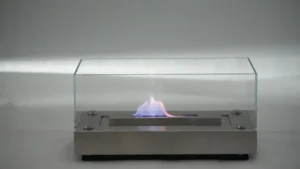
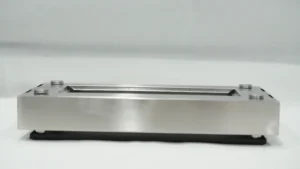
For EU importers, distributors, and brand owners, EN 16647-1:2025 testing is not a single certificate to file after a tabletop ethanol fireplace looks attractive in a showroom. It is the practical evidence that tells a buyer whether a manual decorative alcohol fireplace has been evaluated as the product that will actually be sold: the same burner, fuel guidance, filling method, glass guard, marking, instructions, packaging, and production configuration. If the test file does not match the sample on the table, the buyer still has a commercial and safety gap.
Quick Answer
EN 16647-1:2025 testing requirements matter because they connect the tabletop ethanol fireplace design to verifiable safety evidence. A buyer should first confirm that the product is within the manual decorative fireplace scope, then review test evidence for stability, fuel containment, spillage behavior, flame control, accessible surfaces, combustion and emissions risk, markings, installation information, user instructions, and production traceability. The strongest supplier file does not simply say “tested to EN 16647.” It identifies the exact model, burner, fuel type, sample configuration, test laboratory, report date, standard edition, limitations, and any design changes made after testing. For sourcing teams, the practical goal is not to replace the test lab. It is to catch mismatches before a deposit, before packaging artwork is approved, and before a shipment enters the EU market.
Why Testing Evidence Matters Before A Purchase Order
A tabletop ethanol fireplace is a small product, but the buying risk is not small. It creates an open decorative flame, uses alcohol fuel, may be used indoors, and is often sold through retail channels where the end user expects simple instructions. That combination makes test evidence commercially important for importers. A weak technical file can delay customs checks, expose the brand to retailer rejection, or force packaging and manual changes after mass production has started.
The newer EN 16647-1:2025 framework is especially important because the public catalog descriptions identify it as Part 1 for manually operated decorative fireplaces for domestic use. That wording should shape the buyer’s first review. If the product is automatic, remote-controlled, built into a larger installation, or materially different from a domestic decorative tabletop unit, the buyer should ask whether EN 16647-1:2025 is the right standard or only one part of a broader compliance route. For a manual tabletop SKU, the standard is most useful when the test report and buyer sample describe the same product in the same configuration.
For a broader introduction to the standard, buyers can first review HND’s EN 16647-1:2025 tabletop ethanol fireplace guide. If the immediate question is how the 2025 edition differs from the previous framework, the companion article on EN 16647:2015 vs 2025 for tabletop ethanol fireplaces is the better starting point. This article goes one step closer to sourcing execution: what should a buyer expect to see in the test evidence before approving a model?
The Buyer Should Start With Scope, Not The Test Result
Many sourcing mistakes begin with an over-simple question: “Do you have EN 16647?” A better question is: “Which exact model was tested, under which edition, and does the tested configuration match this purchase?” Scope review is the gate that makes every later test result meaningful.
A buyer should ask for the report cover page, model list, sample description, product photos from the test file, burner drawings or specifications, fuel instructions, manual version, packaging label version, and any annex that identifies variants. If the offered SKU uses a different burner opening, different glass height, different fuel capacity, different extinguishing tool, different body material, or different accessory package, the supplier should explain whether the variation is covered by the original report or whether additional assessment is needed.
This scope review also protects buyers from a common private-label problem. A factory may test one standard model, then offer multiple branded versions with cosmetic, packaging, or accessory changes. Some changes are commercially harmless, but others can change the safety evidence. A thicker decorative shell may affect surface temperature. A different glass guard may affect stability or user access. A new filling bottle may affect spillage behavior. A rewritten manual may omit warnings that were part of the assessed product. Scope discipline prevents those changes from becoming invisible.
Core EN 16647-1:2025 Testing Areas Buyers Should Ask About
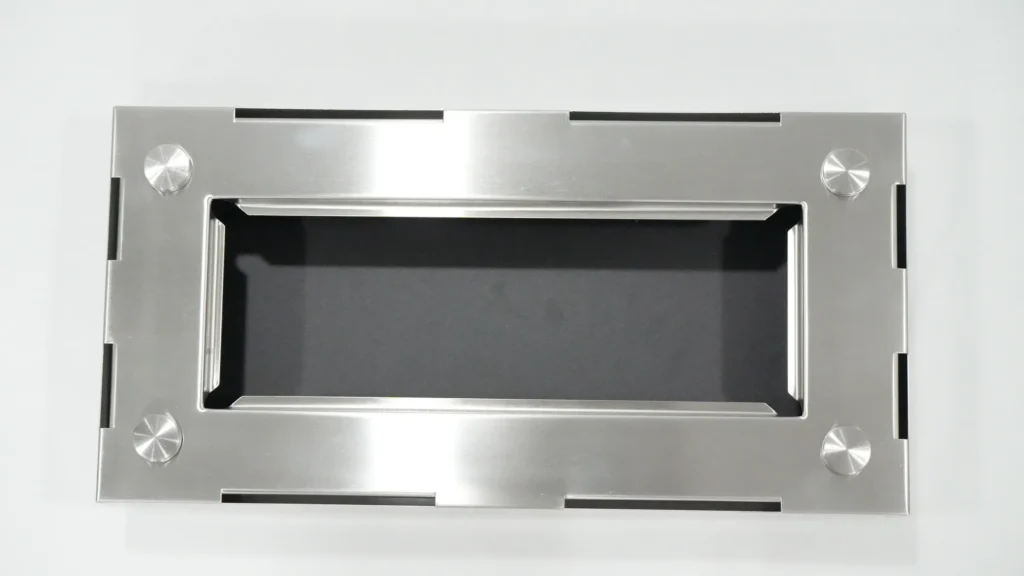
Public catalog pages describe EN 16647-1:2025 as a safety requirements and test methods standard for manually operated decorative alcohol fireplaces. The detailed clauses are paid standard content, so buyers should avoid relying on copied fragments or unsupported summaries. In practice, however, a serious supplier should be able to explain the major evidence categories in plain language and tie them back to the exact product being quoted.
| Testing area | What the buyer should verify | Why it affects approval |
|---|---|---|
| Scope and model identity | Report edition, model number, burner, fuel type, photos, variants, and tested accessories match the offered SKU. | A valid-looking report is weak if it belongs to a different product configuration. |
| Stability | The tabletop unit remains stable in the intended use configuration, including guards, accessories, and filled burner conditions. | Open-flame products need predictable placement behavior in retail and hospitality use. |
| Fuel containment and spillage | The burner, reservoir, filling method, and user instructions reduce avoidable spill and refilling risks. | Many incidents begin during filling, refilling, movement, or user handling, not during normal display photos. |
| Flame control and extinguishing | The method for lighting, operating, and extinguishing the flame is tested, included, and clearly described. | End users need a reliable procedure, and retailers need instructions that match the supplied accessory set. |
| Accessible surfaces and materials | Materials, guards, handles, and contact areas are consistent with the tested sample and manual warnings. | Design changes can affect heat transfer, user contact risk, and perceived product quality. |
| Combustion and ventilation context | The test evidence, manual, and market claims avoid overstating indoor safety and include appropriate use conditions. | Ethanol combustion can create indoor-air concerns if buyers ignore ventilation and fuel guidance. |
| Markings and instructions | Labels, warnings, installation guidance, use instructions, maintenance notes, and packaging claims are aligned with the test file. | Documentation is part of market readiness, not a design detail to finish after production. |
Stability Review: More Than A Flat Table Test
Stability is easy to underestimate because tabletop fireplaces are usually photographed in a controlled studio setting. A buyer should review whether the tested sample included the same glass panels, decorative stones, guards, burner insert, and base material as the ordered product. If the product is offered with optional accessories, the buyer should ask which combination was tested and which combinations are allowed in the manual.
For wholesale programs, stability evidence should also be linked to packaging and assembly. If the unit ships partly assembled, the manual must make correct assembly obvious. If the glass guard can be installed in the wrong orientation, the buyer should request a design or instruction change before production. If the unit is promoted for restaurants, hotels, terraces, or event tables, the sales claim should stay within the actual tested and intended use conditions.
This is where the sourcing team should connect compliance review with sample approval. HND’s guide to tabletop ethanol fireplace sample quality explains why a buyer should inspect the sample as a future production article, not only as a sales display. Stability-related findings should be recorded in the sample report, confirmed in the final drawing, and reflected in the instruction manual before the order is released.
Fuel Capacity, Filling, And Spillage Evidence
Alcohol fuel creates a special buyer risk because problems can occur before the product is “in use.” Filling, overfilling, spilled fuel, moving the product after filling, and attempting to refuel too soon are all user behaviors that must be anticipated through design and instructions. A test report alone is not enough if the retail package gives the customer vague fuel guidance.
The buyer should ask the supplier to identify the tested fuel capacity, fuel type guidance, filling mark or fill-limit method, supplied filling accessory if any, and the exact manual wording used during assessment. The review should also cover whether the product design discourages filling outside the burner area, whether visible warnings survive private-label artwork changes, and whether translations preserve the same safety meaning.
If the supplier proposes a different burner, different fuel cup, decorative insert, or private-label instruction sheet after testing, the sourcing team should treat that as a controlled change. It may be acceptable, but it should be documented. The article on EU ethanol fireplace product documentation covers this point in more detail: labels, manuals, traceability, and product identification are part of the evidence package buyers need to manage.
Flame Control, Ignition, And Extinguishing
Manual tabletop ethanol fireplaces depend heavily on the user’s understanding of lighting and extinguishing. That means the test evidence should be reviewed together with the supplied tool set and the final manual. If a sample includes an extinguishing plate, lid, slider, snuffer, or other accessory, the buyer should confirm that the accessory is the same one referenced in the evidence and will be packed with each retail unit.
Buyers should be cautious with attractive product photography that shows a clean flame but does not show the practical control method. The acceptance file should answer simple questions: How does the user light the unit? How is the flame reduced or extinguished, if the design allows it? What must the user avoid before refilling? Which accessory is mandatory? What warning appears on the product, packaging, or manual? If the answers are inconsistent across the quotation, sample, manual, and test report, the buyer should pause artwork and PO approval until the supplier resolves the mismatch.
This is also where manual and automatic products must be kept separate. HND’s manual vs automatic ethanol fireplace standard guide explains why a manually operated product should not be evaluated with the same assumptions as an automatic or remote-controlled design. For HND-005, the key sourcing rule is simple: test evidence must match the operation mode that the buyer will sell.
Combustion, Indoor Air, And Use Conditions
Ethanol fireplaces are often marketed as clean-burning because ethanol combustion can be described chemically as producing carbon dioxide and water under ideal conditions. Real products and real rooms are more complicated. Fraunhofer’s research on ethanol fireplaces warned that combustion conditions and ventilation assumptions can affect indoor-air risk. Buyers should use that kind of source as context for careful claim control, not as a claim about a particular supplier’s model.
The practical buyer action is to keep marketing, manual, and packaging language conservative. Avoid unsupported statements such as “no emissions,” “safe for any room,” or “ventilation not required” unless the supplier has product-specific evidence and local legal review for the target market. Use conditions should be clear: suitable placement, fuel type, refill timing, room guidance, supervision, children and pets warnings, and maintenance expectations.
For a MOFU sourcing decision, the importer does not need to become a combustion laboratory. The importer does need enough discipline to reject evidence that is incomplete, mismatched, or contradicted by sales claims. A reliable supplier should welcome that review because it reduces late-stage rework and protects both parties from avoidable disputes.
Documentation Is Part Of The Testing Package
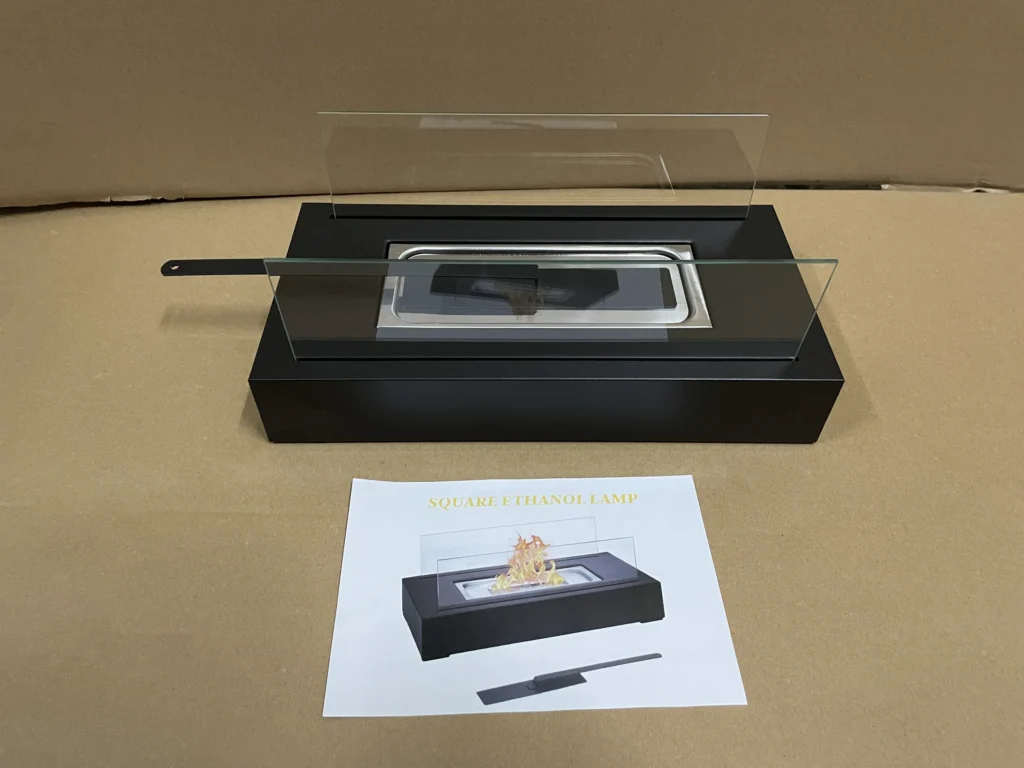
The General Product Safety Regulation reinforces a broader principle that matters for fireplace buyers: product safety is not proven only by a physical sample. Technical documentation, product characteristics, warnings, and instructions all matter. For an EU-facing tabletop ethanol fireplace program, the buyer should therefore review documentation at the same time as design and test evidence.
A complete supplier package should identify the manufacturer or responsible business details required for the market route, product model, batch or traceability method, manual version, packaging version, warning labels, fuel instructions, and any limitations from the report. The buyer should also keep a controlled copy of the quotation, approved sample photos, final artwork, test evidence, inspection criteria, and production change approvals.
HND’s article on ethanol fireplace supplier safety documents gives a useful document-request framework. For HND-005, the additional point is that each document should connect back to the tested product. A manual that says the right things for another model is not enough. A test report that does not include the current manual version is also not enough for a clean buyer file.
A Practical Acceptance Checklist For Buyers
Before approving a tabletop ethanol fireplace for sample acceptance, private-label artwork, or mass production, buyers can use the following checklist. It is not a substitute for qualified compliance advice or laboratory testing, but it gives sourcing and QA teams a practical way to challenge weak evidence early.
1. Confirm the product lane
Ask whether the SKU is a manually operated decorative alcohol fireplace for domestic use, and whether EN 16647-1:2025 is the correct reference for the intended design and market. If the product is automatic, built-in, commercial-only, outdoor-only, or supplied with unusual controls, request clarification before accepting a generic standard claim.
2. Match the report to the exact SKU
Compare the model number, product photos, burner size, body material, glass guard, accessories, packaging, and manual version. If private-label branding changes only the logo, the risk may be low. If it changes instructions, warnings, dimensions, fuel capacity, guards, or operation method, require a written technical review.
3. Review the main safety evidence
Ask the supplier to explain how the sample was evaluated for stability, fuel containment, spillage, flame control, accessible surfaces, use instructions, and markings. A supplier that cannot explain its own test evidence is not ready for a fast production approval.
4. Check instructions before artwork approval
Do not wait until packaging design is finished. Review warnings, fuel guidance, lighting and extinguishing steps, refill restrictions, placement guidance, ventilation context, maintenance, and prohibited use. Confirm that translations preserve the same safety meaning.
5. Lock changes after approval
Once the sample is accepted, freeze the burner, material, accessory set, manual, label, and packaging safety content. Any post-approval change should be documented and reviewed against the test evidence before production continues.
6. Keep the buyer file shipment-ready
The buyer file should be organized before final payment: report, declarations or supplier statements, product photos, approved sample notes, manuals, labels, packaging, inspection report, batch records, and change approvals. This file helps with retailer questions, internal quality review, and post-market follow-up.
Common Red Flags In Supplier Test Files
Several red flags should slow down the sourcing process. One is a report for a different product family with only a sales email claiming coverage. Another is a test file that does not show the exact burner or guard supplied in the sample. A third is a private-label manual that removes warnings because the layout looks cleaner. A fourth is a supplier claim that the product is “EU certified” without identifying the test standard, lab, model, date, and report scope.
Another red flag is an evidence file that treats packaging as decoration only. Packaging can carry safety warnings, responsible business details, model identification, fuel limitations, and user-facing claims. If the buyer changes packaging language, the change should remain consistent with the tested configuration and safety file.
Finally, buyers should watch for a mismatch between catalogue claims and intended use. If a tabletop ethanol fireplace is promoted for hotels, restaurants, events, or retail gift channels, the buyer should still verify that the safety evidence and instructions support the actual use conditions. A beautiful product page is not a substitute for a controlled product file.
How HND Buyers Can Use This During Supplier Evaluation
For buyers comparing suppliers, the strongest question is not “Can you send a certificate?” It is “Can you send a complete test and documentation package for the exact model we are approving, and can you explain what changes would require review?” That question separates sales readiness from production readiness.
When working with HND, buyers can use the certificates and accreditations page as a starting point for compliance discussion, then share the target market, sales channel, artwork plan, packaging language, and expected order configuration. For private-label or project-specific designs, HND’s customized service can help align product specifications, samples, packaging, and buyer documentation before production. Buyers reviewing available categories can also start from HND’s product range and then confirm the evidence package for the specific SKU.
The commercial benefit is speed with fewer surprises. When the scope, test evidence, instructions, and product configuration are aligned before production, the buyer can move from sample approval to purchase order with a clearer risk profile. When those items are left vague, the buyer may save a few days during quotation but lose weeks during retailer review, market entry, or after-sales handling.
FAQs
Is EN 16647-1:2025 the only requirement for EU tabletop ethanol fireplaces?
No. It is an important safety standard reference for manually operated decorative alcohol fireplaces, but buyers still need to consider the full market route, product safety obligations, labeling, instructions, responsible business details, retailer requirements, and any target-country expectations. Ask a qualified compliance professional when market obligations are unclear.
Can one EN 16647-1:2025 report cover several private-label versions?
Sometimes, but only if the versions are genuinely covered by the report scope or an appropriate technical assessment. Buyers should compare the tested model, burner, guards, accessories, markings, instructions, and packaging safety content before accepting coverage for a variant.
What is the most common buyer mistake when reviewing a report?
The most common mistake is checking the standard name but not matching the tested configuration to the actual SKU. A report for a similar model may not support a changed burner, glass guard, fuel capacity, accessory set, or manual.
Should the buyer ask for the full paid standard from the supplier?
The buyer should respect copyright and use official standards channels where needed. In supplier review, it is usually more practical to ask for the test report, model identification, manual, markings, and a plain-language explanation of how the tested sample matches the order.
Do product photos matter in the test file?
Yes. Photos help the buyer compare the test sample with the physical sample and final product. They are especially useful for checking burner design, guards, accessories, markings, and product configuration.
When should packaging be reviewed?
Packaging should be reviewed before artwork approval and before mass production. Safety warnings, model identification, fuel guidance, responsible business details, and marketing claims must remain consistent with the product evidence file.
What should a buyer do if the supplier changes the burner after testing?
Treat the change as a controlled technical change. Ask whether the previous report still applies, request written evidence, and consider additional assessment before approving production.
How can buyers start a focused review with HND?
Send the target market, expected order configuration, branding plan, packaging language, and documentation requirements through the HND contact page. The discussion should connect the selected product with the right evidence package before production timing is locked.
Sources
- BSI Knowledge: BS EN 16647-1:2025
- Danish Standards: DS/EN 16647-1:2025
- EUR-Lex: Regulation (EU) 2023/988 on general product safety
- Fraunhofer: Ethanol fireplaces and indoor-air risk context
Testing requirements are only one part of the compliance conversation. Importers also need to confirm how a factory controls drawings, materials, inspections, traceability and packaging during repeat production; see this factory production control checklist for EN 16647 buyers for the production-side questions to ask.